|
|
|
|
CITIZEN SCIENCE EVENT TUES AUGUST 4th
|
|
|
|
Let's study nature together!
|
|
Event Details
|
|
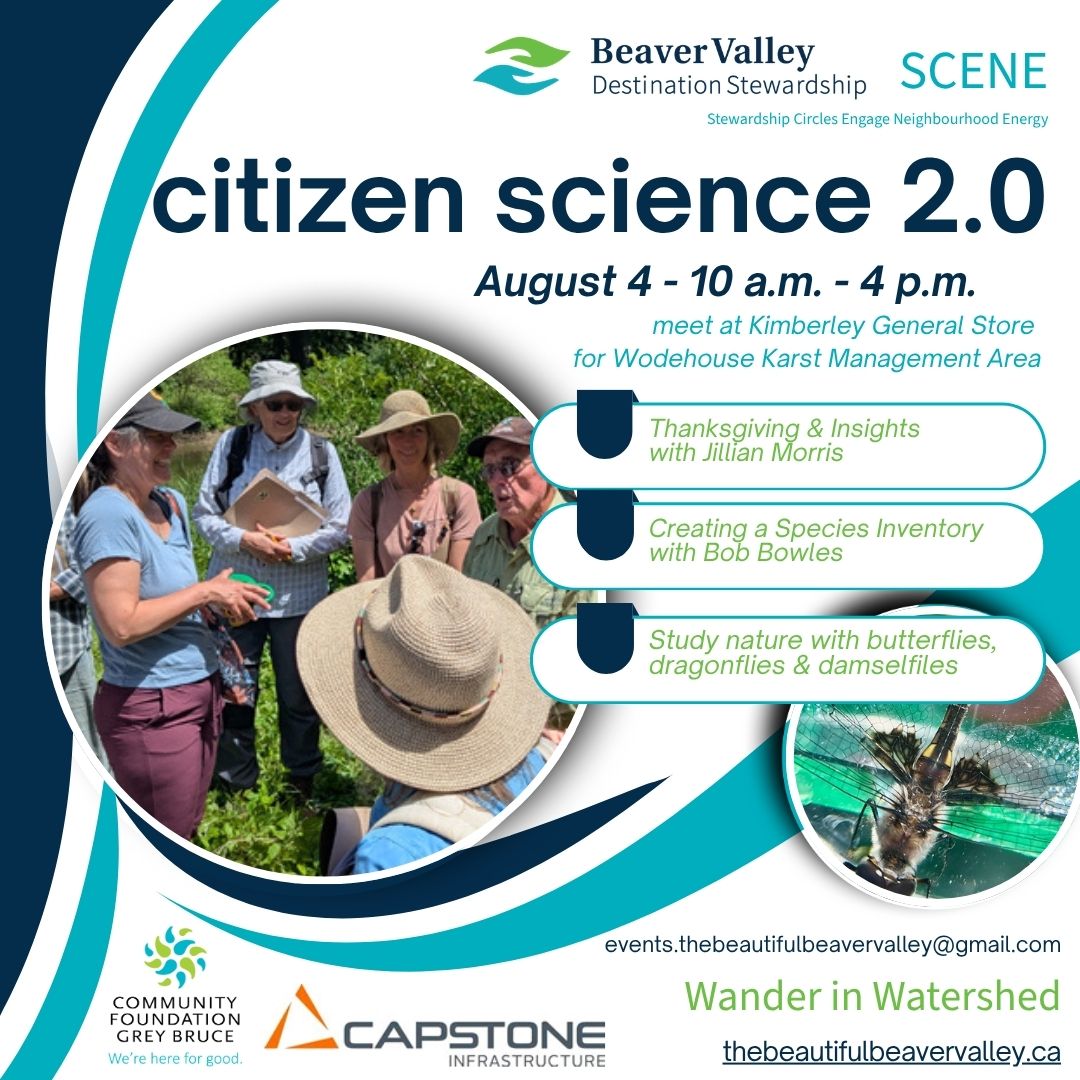
Arrive early for orientation and complimentary coffee/tea at 9:30am at the Kimberley General Store. We'll be carpooling up Bowles Hill to the Wodehouse Karst Management Area. A light late lunch will be provided. Dress for both the weather and the bugs.
|
|
|
|
If you have them, bring your butterfly nets, guide books a 10x hand lens. Deep dive! Read below for hints of what we'll see.
|
|
|
|
|
Contact events.thebeautifulbeavervalley@gmail.com to register.
|
|
|
|
|
|
ON THE TRAIL WITH BOB BOWLES
|
|
|
|
|
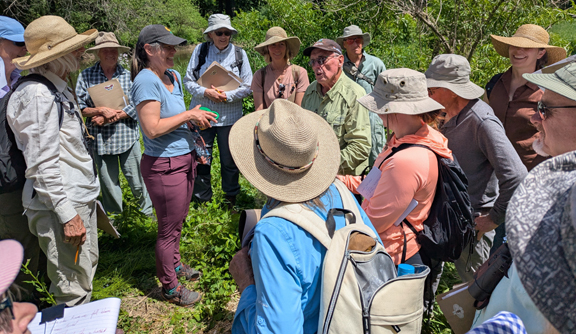
Since the citizen science dragonfly and damselfly survey of early June, we have been studying the natural beauty of the species in our watershed with Bob Bowles almost every Tuesday in a series of “Bob Walks”.
|
|
|
|
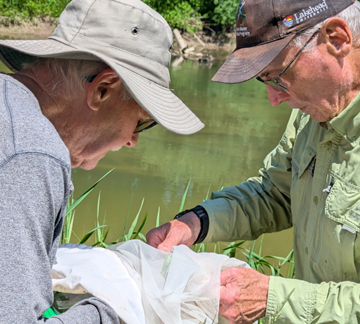
Bob brings encyclopaedic knowledge and amazing recall of thousands of species he has studied for decades, along with detailed resources and digital platforms.
|
|
|
|
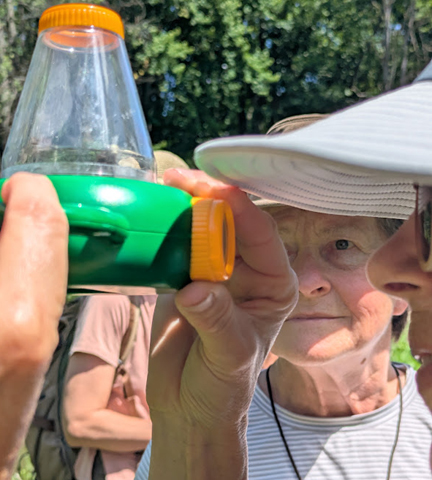
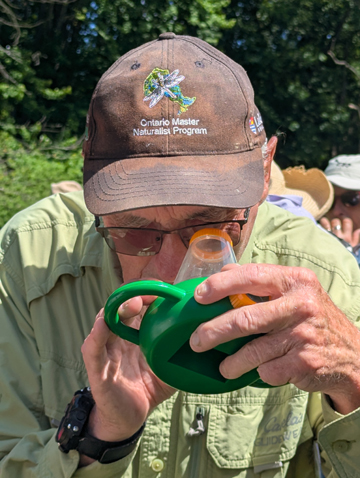
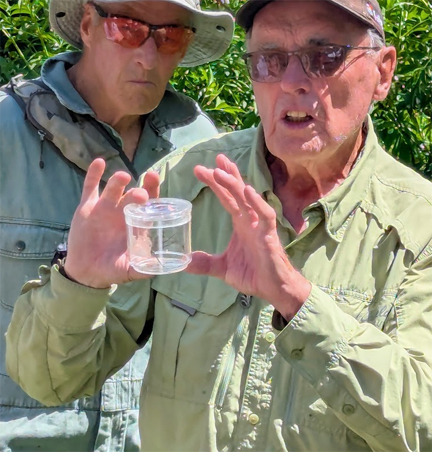
Here is Bob looking closely at an insect-- examining wing structure, anal loops, butterfly feet or hammerhead eyes.
|
|
|
|
Incredibly, the knowledge-sharing is accessible to everyone. This is how we learn to call our trail-friends by name.
|
|
|
|
|
|
|
THE WODEHOUSE KARST SIDE TRAIL
|
|
|
|
For this coming event, we'll be moving along the Wodehouse Karst Side Trail to where it hits the Main Bruce Trail.
|
|
|
|
|
We'll cover the pine plantation quickly before reaching a mixed hardwood forest.
|
|
|
|
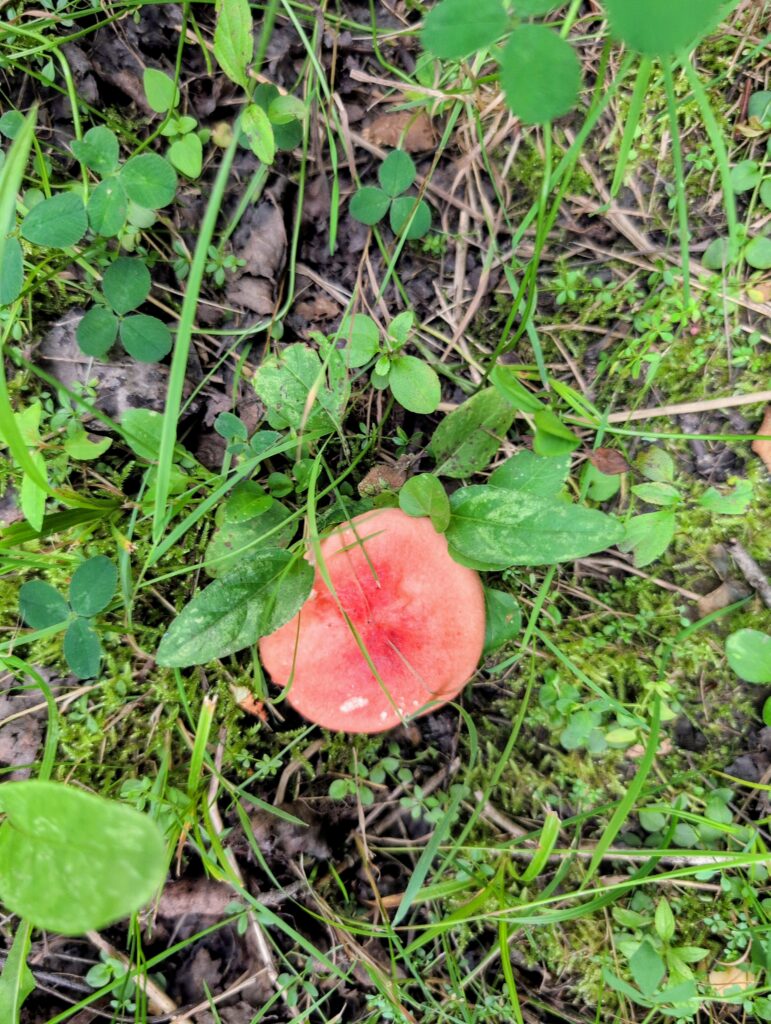
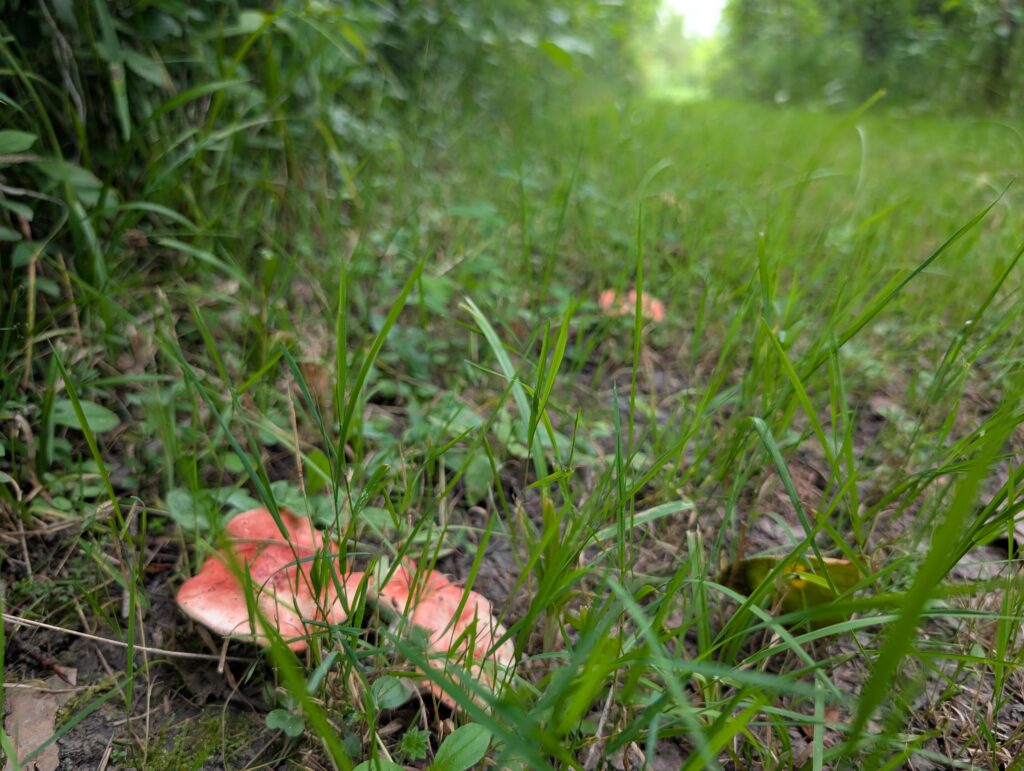
Keep your eyes open for these beauty mushrooms along the trail.
|
|
|
|
|
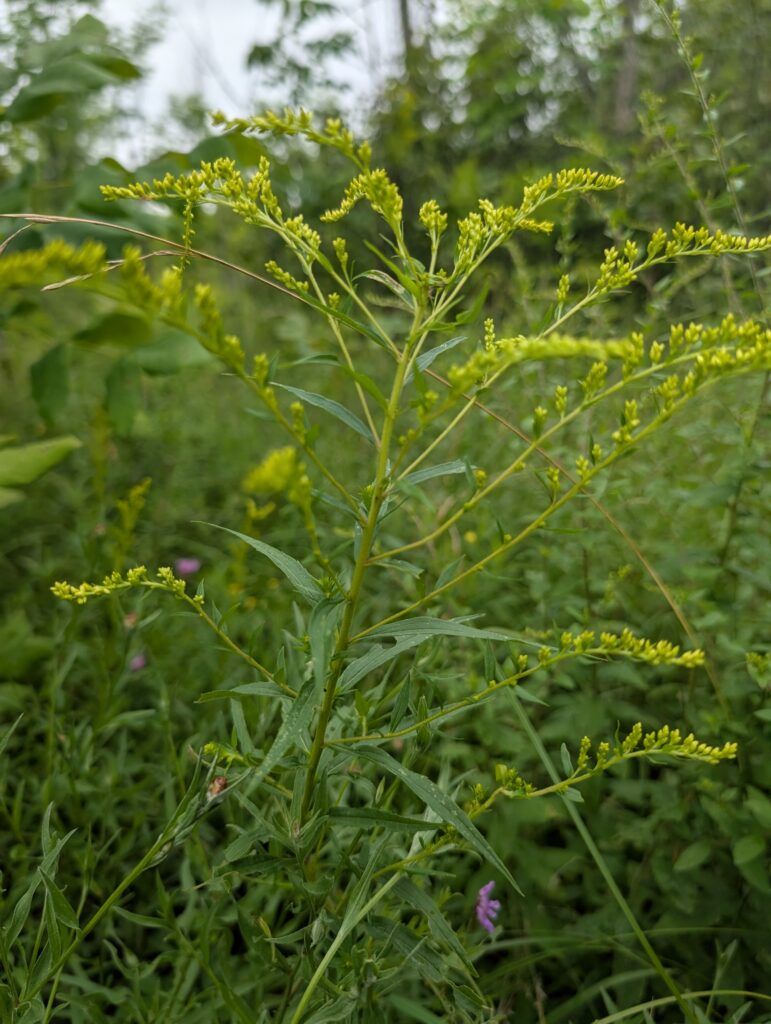
Wherever light hits the forest floor, there are groupings of goldenrods and asters. This is a good sign, and we'll find many more of them as the trail moves into the open meadow, where they are just beginning to bloom. Get an early start on goldenrod ID skills if you like, as we'll be diving into the asters and goldenrods come fall.
|
|
|
|
|
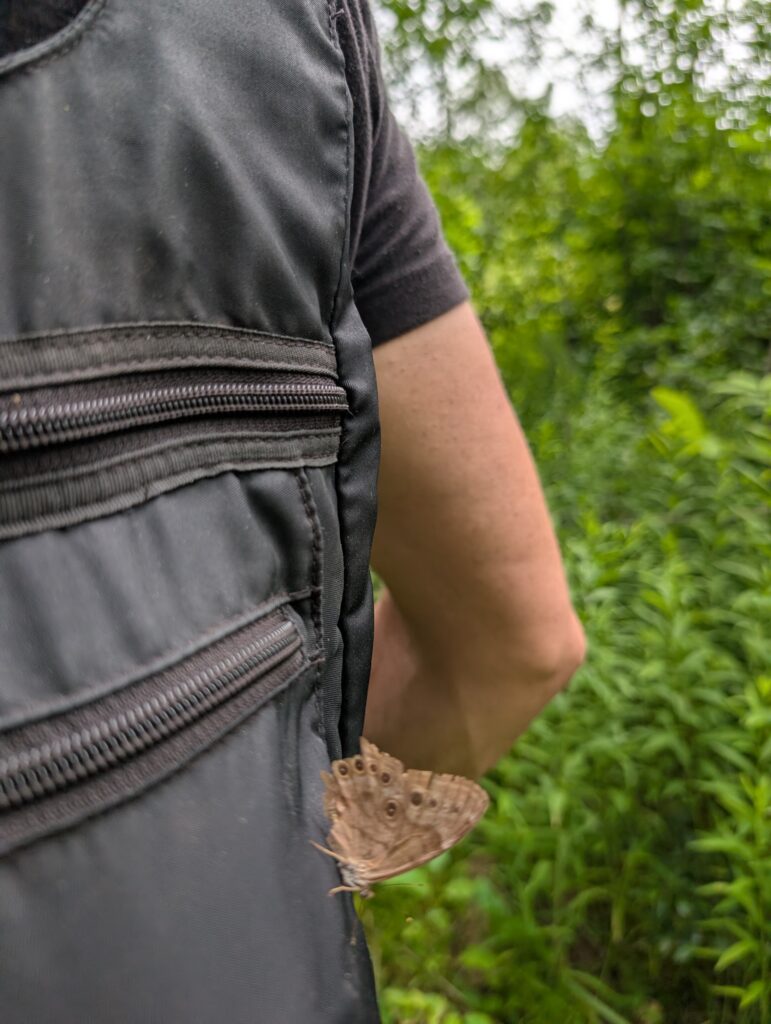
This little friend that landed as we walked the Wodehouse Side Trail is a Satyr butterfly, which is in the family of Brush-footed butterflies. All brush-footed butterflies have their front pair of legs reduced in size, hairy, and held close to the body, making them look like little brushes and leaving the butterfly to stand on just four legs.
|
|
|
It's not easy to tell the Satyrs apart, but on our Bob Walks we've seen all six species. Bob always has his net-in-hand. This one has a smooth-ish line on its wing. Is it the Appalatian Brown?
|
|
|
|
|
|
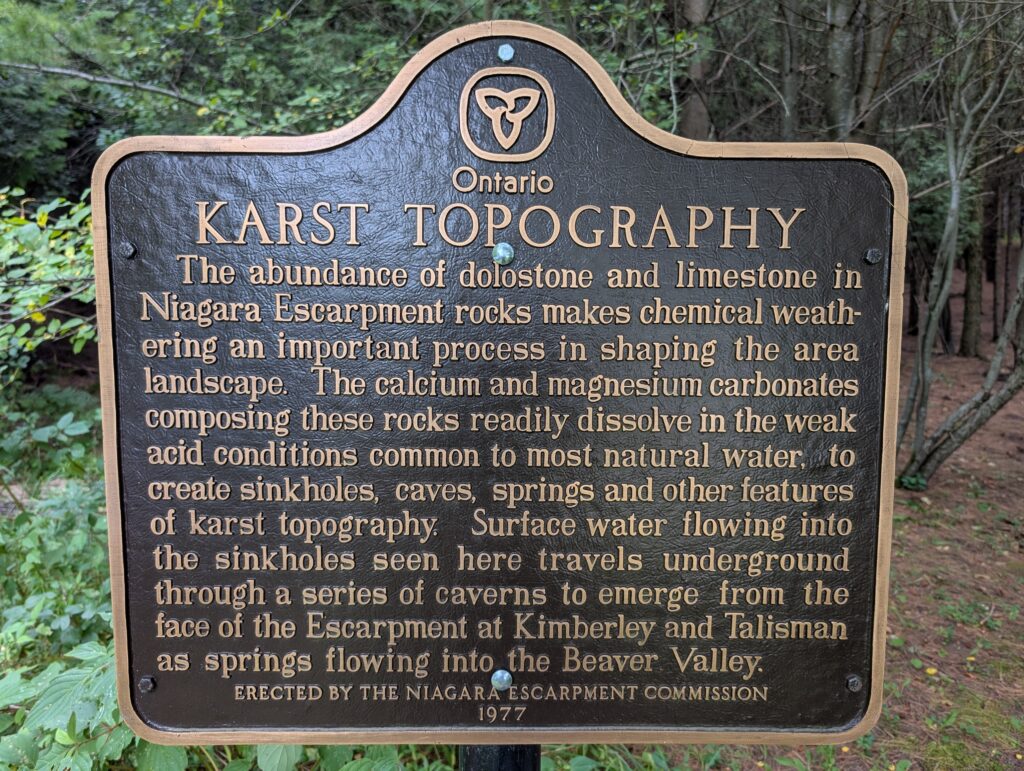
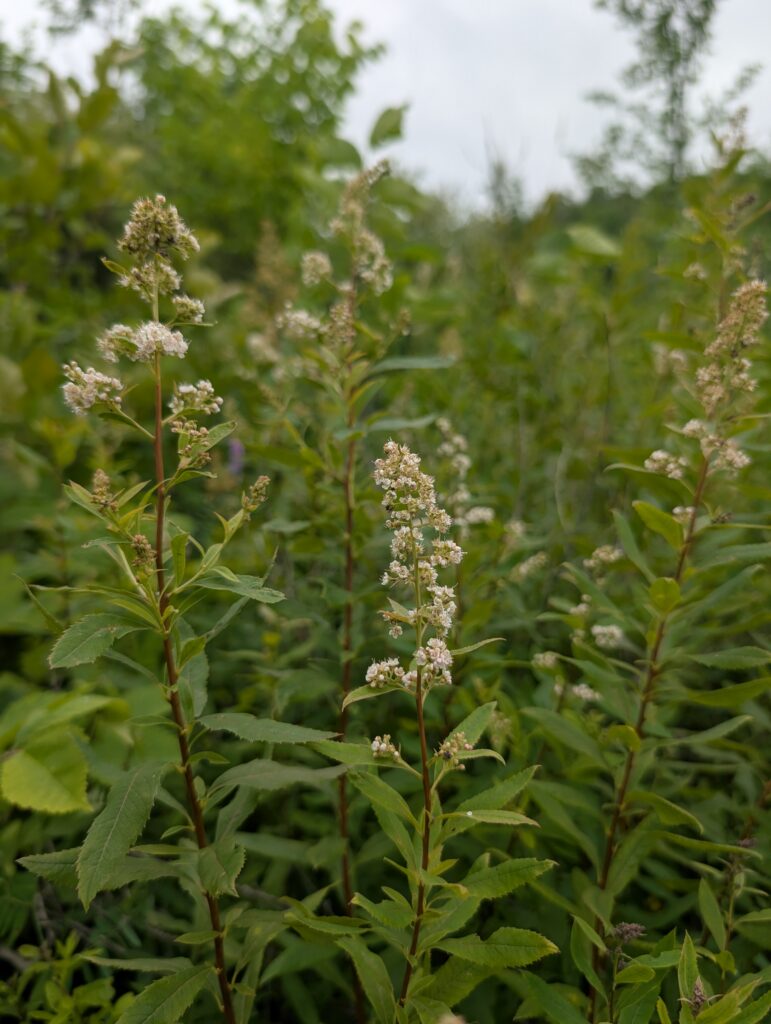
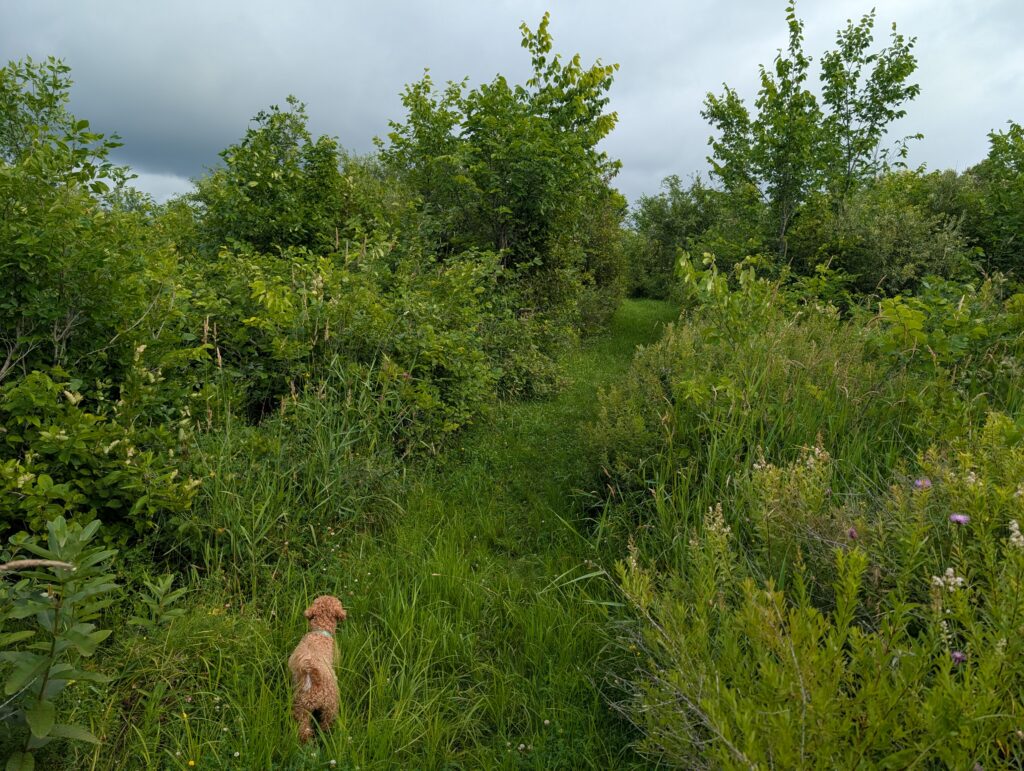
Then we arrive at the meadow alongside the karst sinkholes. Here we'll see dogwoods, willows, hawthorns, viburnums, and the beautiful Meadow Sweet, Spirea alba.
|
|
|
|
|
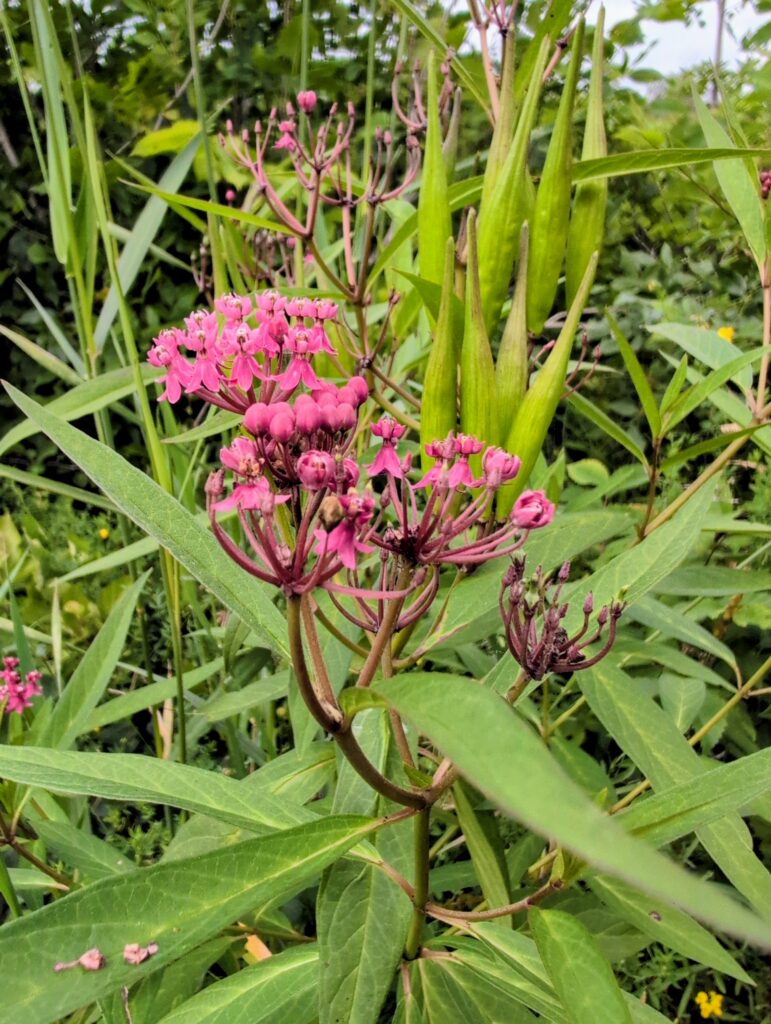
We might hear a grey catbird singing. There is also a swamp milkweed in all its glory right now.
|
|
|
|
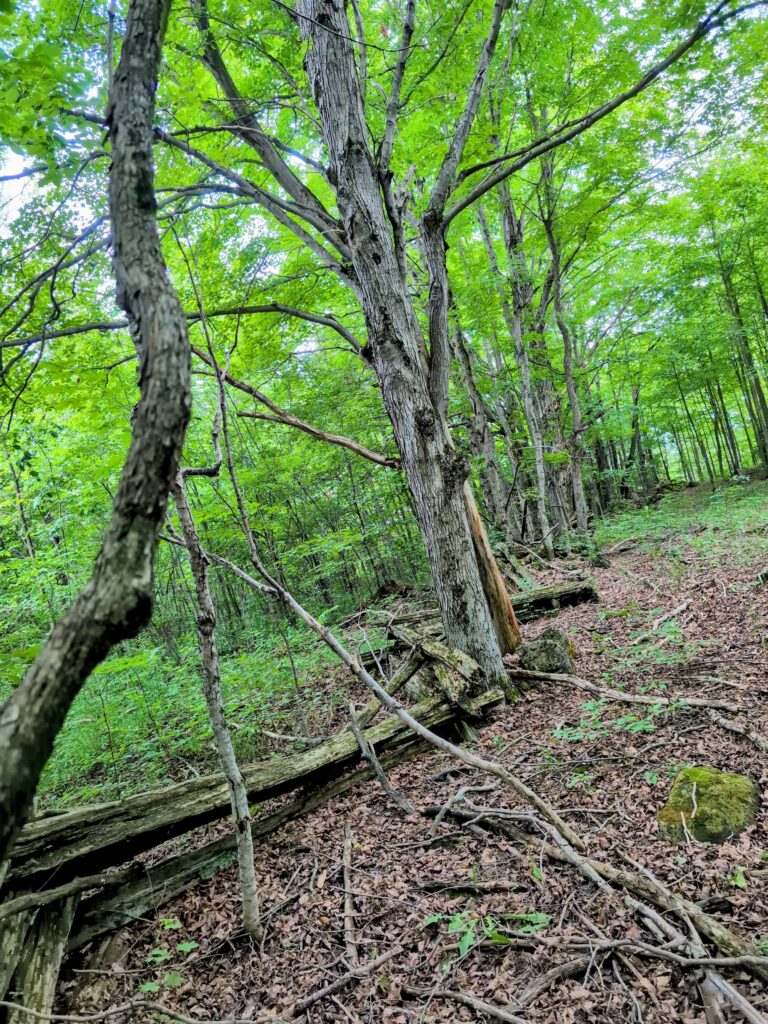
Then we move up and over the Banks Moraines-- ask Bob about this when we're on the top. Once you see the moraine, you can't un-see it!
|
|
|
|
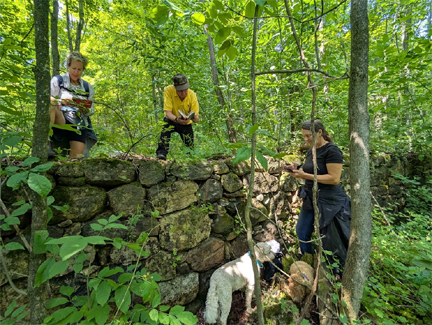
As we walk up and over it, there is an old fence row that marks the boundary between homesteads. Our local museums are a great resource for finding out about this history. You can also access the digitized 1880 County Atlas online.
|
|
|
|
|
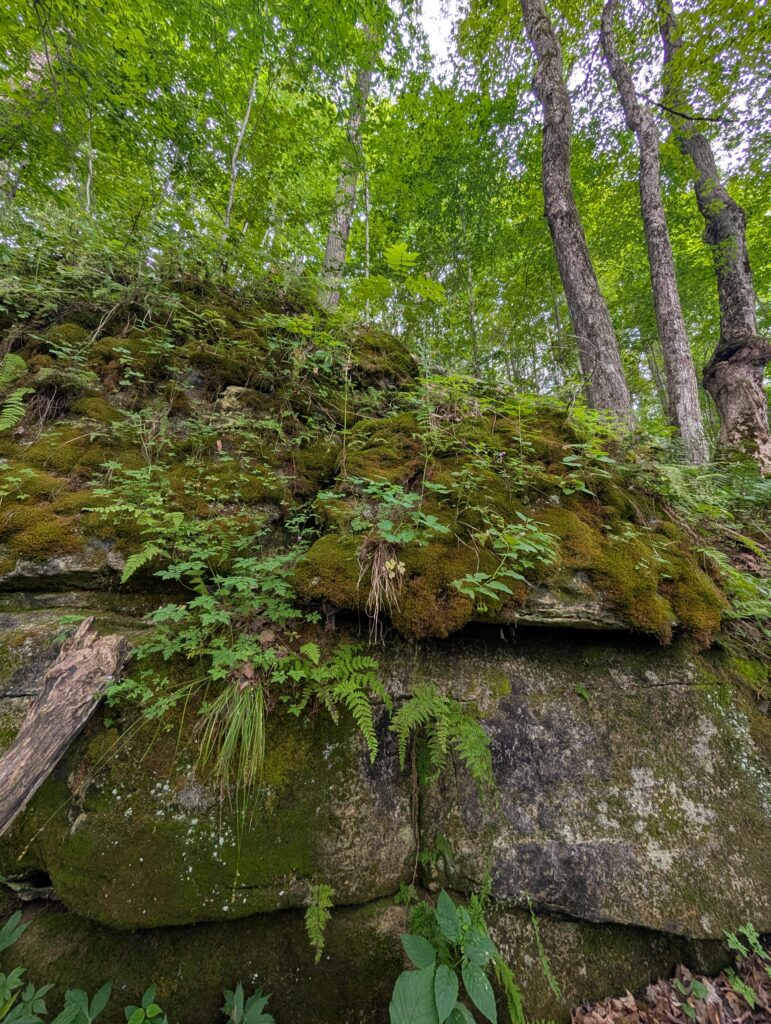
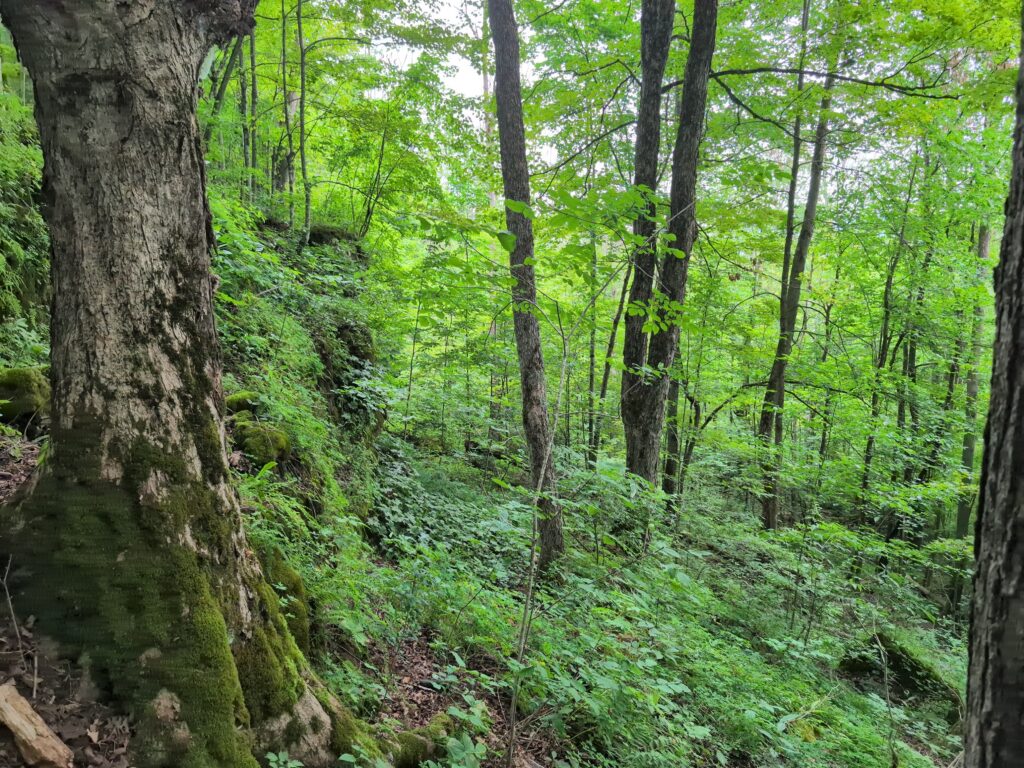
The Wodehouse Karst side trail then drops down beside a lush dolostone outcrop covered in ferns to hit the main Bruce Trail. We'll bring some specially-drawn Owen Sound Field Naturalist Ferns checklists for you to have and use.
|
|
|
|
|
|
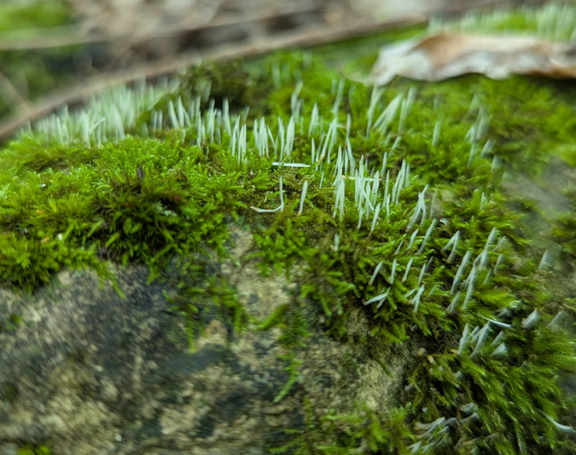
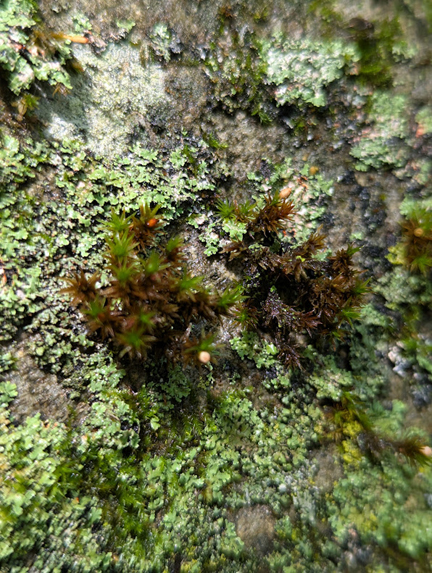
From there, some might wish to pick up the pace and carry on with Bob a further twenty minutes to the north to see the mosses at the Old Stone Foundation while the rest of the group returns slowly back through the meadow.
|
|
|
|
|
Everyone welcome. Due to the potentially inaccessible (non AODA compliant) areas and potential exposure to allergens and trip hazards, everyone is responsible for their own choice to attend and walk with us as you are comfortable. We look forward to seeing you.
|
|
|
|
|
|
MOSS THOUGHTS
|
|
This week we visited the Wodehouse Old Stone Foundation and looked at mosses and liverworts. A few days later I took two young, inquisitive students on a bryophyte workshop at Copeland Forest, one in her third year of Environmental Studies at Lakehead and one from Germany working on her PhD on bryophytes. I showed them over a dozen interesting mosses and liverworts in Copeland Forest and they were very excited to learn of these new species. They have a long way to go but will someday be bryophyte experts. How I wish that I could have taken them to the old barn foundation. I know they would have been very excited to see the many interesting species that our Beaver Valley team found on Tuesday. You have a very interesting watershed in the Beaver River Valley.
|
|
|
|
|
|
WHO IS ON THE WALKS?
|
Nature's Story Lead
|
|
|
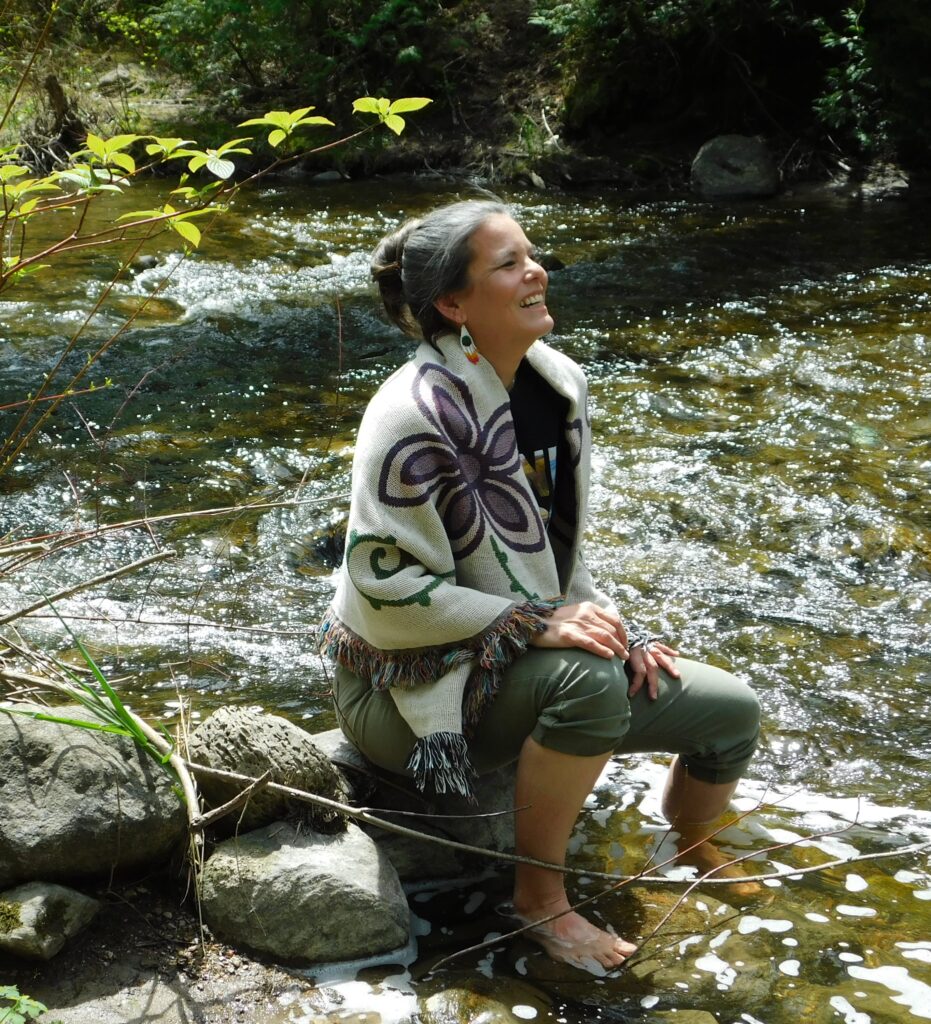
Jillian Morris is Kanien’kehaka and a band member of Six Nations of the Grand River Territory. As an Indigenous writer, she focuses on redressing history, reclaiming culture, and making space to share stories.
|
|
Jillian says “I know many are like me and curious about people, the natural world, and this life. Walking around asking questions, examining things, exploring, wandering. My writing is a product of all that. We all need a place to tell our story.”
|
|
|
|
|
|
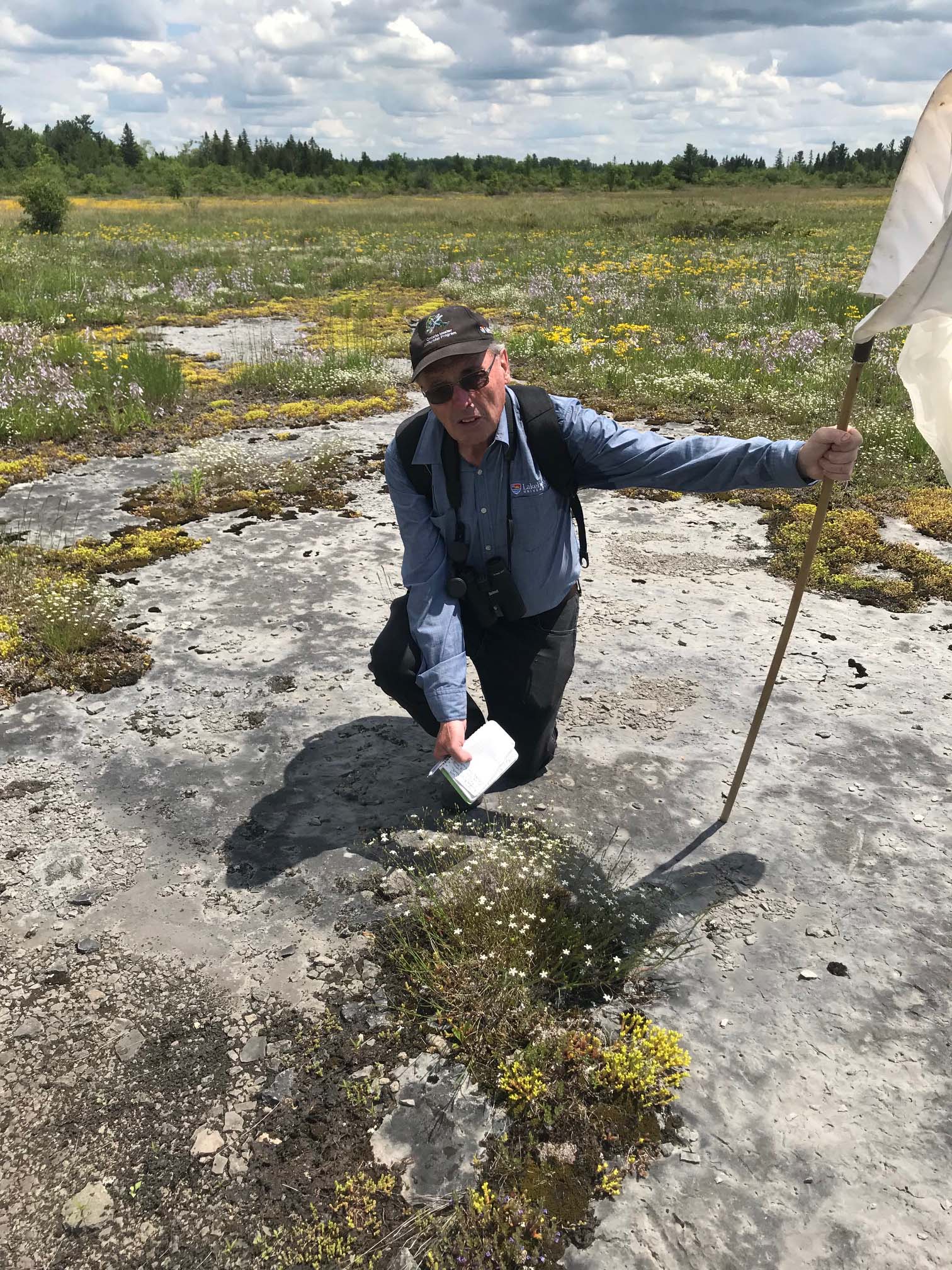
Bob Bowles is an award-winning writer, artist, photographer and naturalist who was raised on the western slope of Beaver Valley on what locals call Bowles Bluff.
|
While working outdoors in the field of engineering with Ontario Hydro, he developed a strong curiosity to look closer at the natural world around him, and he dove into nature with the meticulousness of an engineer.
|
In the decades since retiring, Bob has become renown for his naturalist work around the world.
|
|
|
|
|
|
|
Kate Russell will be on hand to take photos and hear about your adventures on the trail. As a new graduate of the Ontario Master Naturalist course, she will have her sketch book and resources handy to help with species identification.
|
|
|
|
|
Stacie Howe loves how repetition of the smallest things is reflected in the bigger picture. She is interested in people's motivation to care for the smallest animals and most fragile habitats, as the cumulative effect has the power to safeguard this special watershed.
|
|
|
Heather Reid will collect your information and provide connection details as you arrive for the day. She'll help you sign up for our newsletter and explore ways to be involved in our community-led citizen science explorations. Speak to Heather for more details and future communications on our Hylo platform.
|
|
|
|
|
Peter Mitchell has been walking and skiing the Beaver Valley his whole life. A great supporter of conservation, he spent twenty Years as a Research Associate at the University of Guelph in the Centre for Land and Water Stewardship, working closely with Stew Hilts. He spends his time in the valley stewarding a riverside property where he loves to watch nature through all the seasons. His focus is always on building relationships with the land, water, and his natural and human neigbours.
|
|
|
|
|
Rob Leverty has been advocating for the Beaver Valley since the 1970s as he knows the importance of the watershed and all its wild inhabitants. A lifelong learner, Rob believes in listening to nature and his fellow residents and believes in collaboration to conserve our precious land and water resources through enlarging the continuous natural wildlife corridor in the Beaver River watershed. He offers clear insight into the past efforts and future opportunities.
|
|
|
|
|
|
BVDS
|
|
Beaver Valley Destination Stewardship continues to promote Indigenous voices through our Stewardship Circles Engage Neighbourhood Energy (SCENE) project. While our events include an Indigenous Thanksgiving address and maintain an inclusive approach to include rounds and storytelling, we have shifted our focus to Citizen Science activities across the watershed. We are grateful for the past leadership offered by Bagida’waad Alliance and are so honoured to have the charitable sponsorship of the Osprey Museum as our qualified donee for funding. The community is invited to participate in these SCENE experiences, as together we endeavor to see the whole picture with responsibility, reciprocity, respect, and relevance.
|
|
|
This project is supported through a grant from the Community Foundation Grey Bruce, which is funding speaker fees and expenses for our SCENE events. The CFGB encourages endowment building and facilitates philanthropic partnerships within all communities in Grey and Bruce, now and for future generations. The foundation supports Grey Bruce residents through grants to community projects by nonprofit organizations and scholarships, bursaries or awards to students. It provides leadership in identifying community issues and convening discussion.
|
|
|
Our SCENE project is informed by our Indigenous friends, who bring their voices in the spirit of Two-Eyed Seeing. This concept was developed by respected Mi’kmaq Elder Albert Marshall. It recognizes the strengths of Indigenous and Western ways of knowing and is a process of simultaneously holding both perspectives, in order to foster a more holistic and nuanced understanding of the world. It promotes a collaborative approach to learning and problem-solving, beginning with relationship.
|
|
|
New to the SCENE is a generous grant from Capstone Infrastructure which is supporting our ongoing Stewardship Circles Engage Neighbourhood Energy project. Capstone provides local funding from the Grey Highlands Clean Wind Farm and the Grey Highlands ZEP Wind Farm. Capstone established a Community Enhancement Fund to provide funding for community-based initiatives that will directly add to the quality of life of the residents and community members living and working in the area near the company’s wind farm. Capstone provides donations and sponsorships for programs that support environmental, education, youth engagement, sustainability, technology innovation and local special events. Check their website for details.
|
|
|
|
 
|
|
|
|
|