

Bob Bowles: Award-winning Naturalist with generational roots in the Beaver Valley
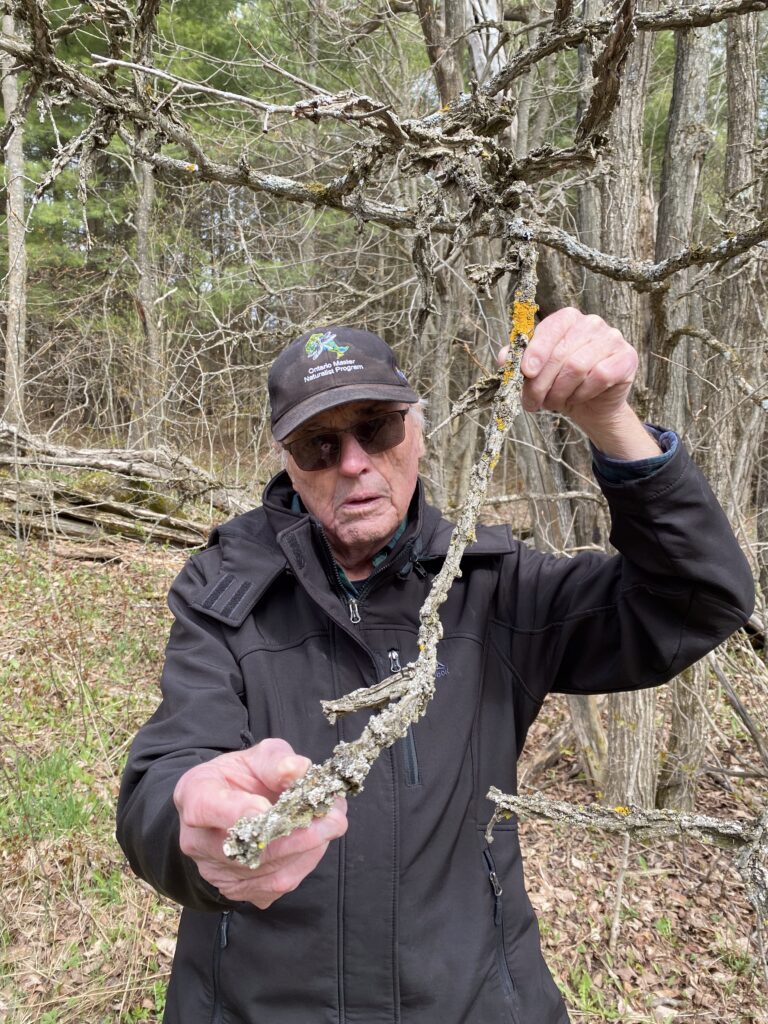
Bob Bowles is an award-winning writer, artist, photographer and naturalist. He was raised on the western slope of the Beaver Valley on what locals call Bowles Bluff.
As a young man, Bob made his way in the world in the field of engineering, taking a job out of university with Ontario Hydro.
As much as he wanted to return to the Valley, he couldn’t come back as there were no jobs. So he settled in Gravenhurst where he worked for 32 years as a Protection and Control technologist, building real-time intelligence systems from remote locations.
The days spent working outdoors drove Bob’s curiosity to look closer at the natural world around him, and he dove into nature with the meticulousness of an engineer.
When he retired at age 55, he began to work for lawyers as an environmental expert in provincial hearings to protect important habitats and endangered species against development projects.
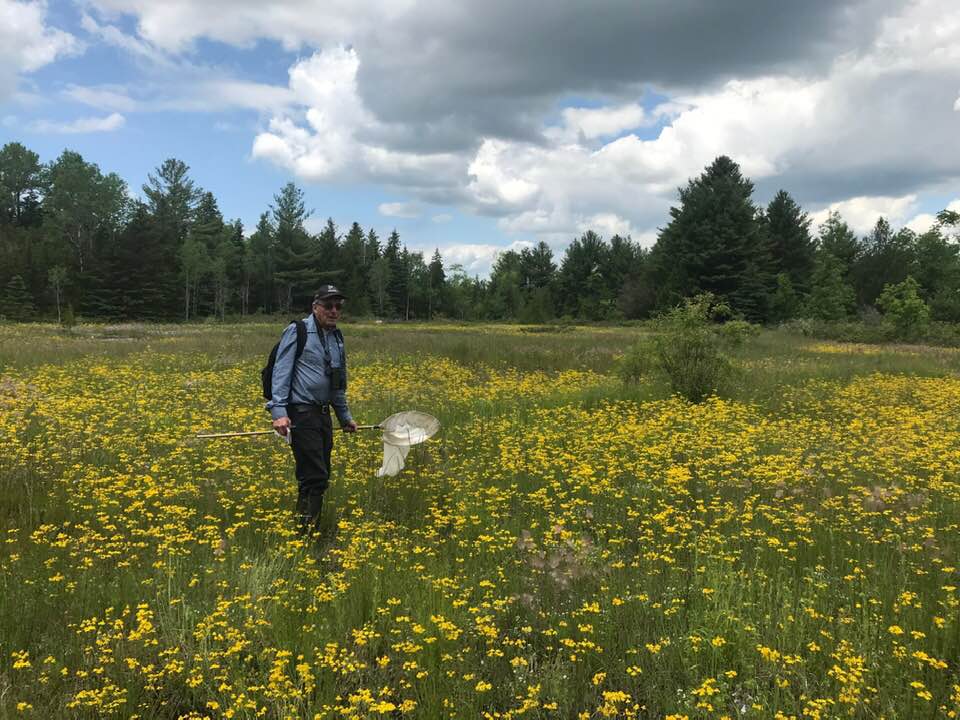
Through his thirty-year post-retirement career, Bob has founded and worked with countless community groups, becoming known as the person to consult when residents have a bird, insect, mushroom, dragonfly, butterfly or other creature that they want to know more about.
He worked with the Federation of Ontario Naturalists (Ontario Nature), and did surveys and EcoTourism with Paul Eagles (originally of Flesherton). Bob also led many ecotours in North, Central and South America and has conducted workshops for government organizations to train staff on species identification.
Bob has a wife, Connie, three daughters and two sons, as well as several grandchildren, including his youngest granddaughter, Stella. Bob’s youngest son works for Hydro One doing almost the same job as Bob did for 32 years. None of his children live in the Beaver Valley at this time like their cousins but it is his hope that one of them will inherit his Beaver Valley property and trout stream and work to protect it since it is part of the original Bowles homestead.
Through Lakehead University, Bob founded and coordinates the Ontario Master Naturalist Certificate Program at both the Orillia and Thunder Bay campuses.He continues to serve on the board of several committees there and lectures each year on invasive species, species at risk and water quality.
The list of recognition for both his community work and his environmental work is long, with awards from Dominion of Canada, Province of Ontario, Conservation Authorities, MNR, Nature Conservancy of Canada, Ontario Nature, Citizen of the Year for Orillia, Order of Orillia, Queen Elizabeth II Diamond Jubilee Medal, Lakehead University and many clubs and not-for-profit organizations, many of whom present him with an honorary lifetime membership.
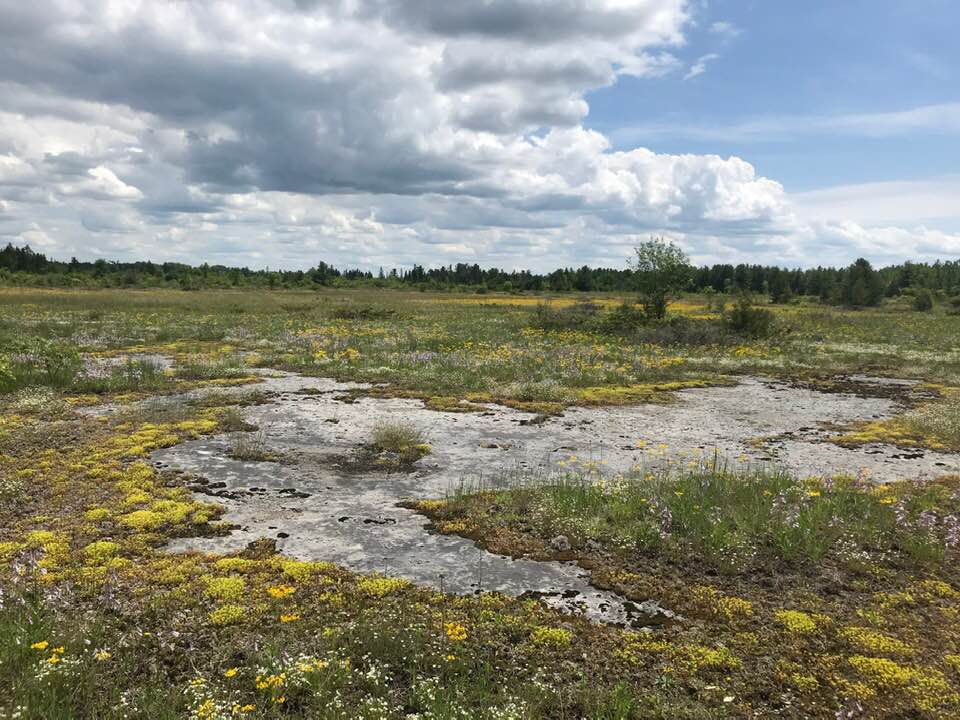
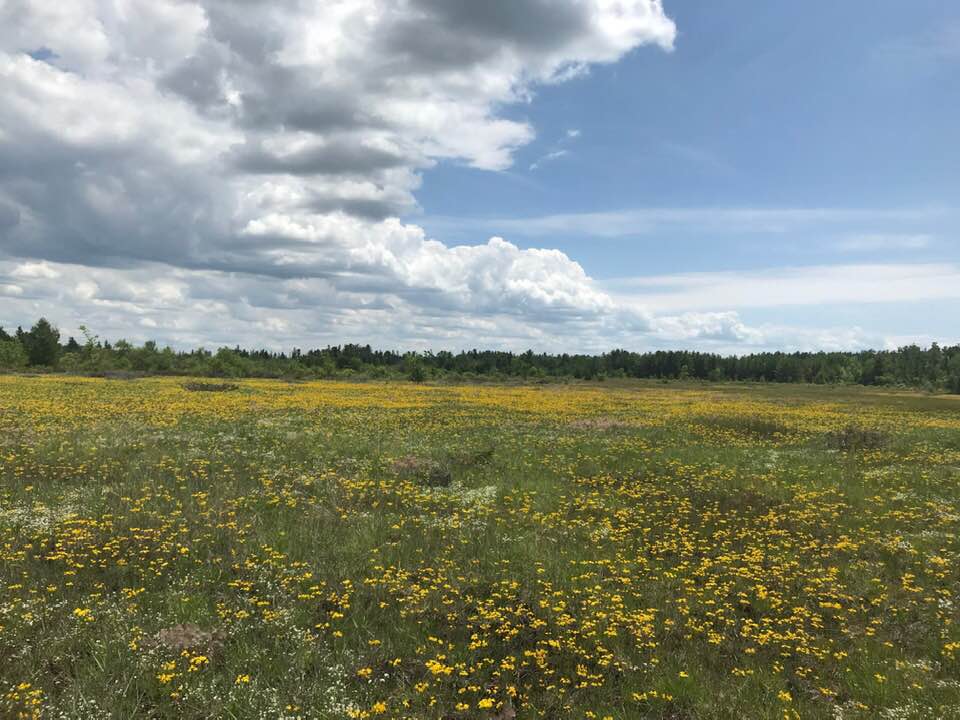
Wetlands, watersheds, and habitat hold a special place in Bob’s heart, but most especially alvars, a barren, rocky, unproductive landscape, which upon closer look are extraordinarily high in biodiversity and rare plants — up to 400 native plant species in one alvar!
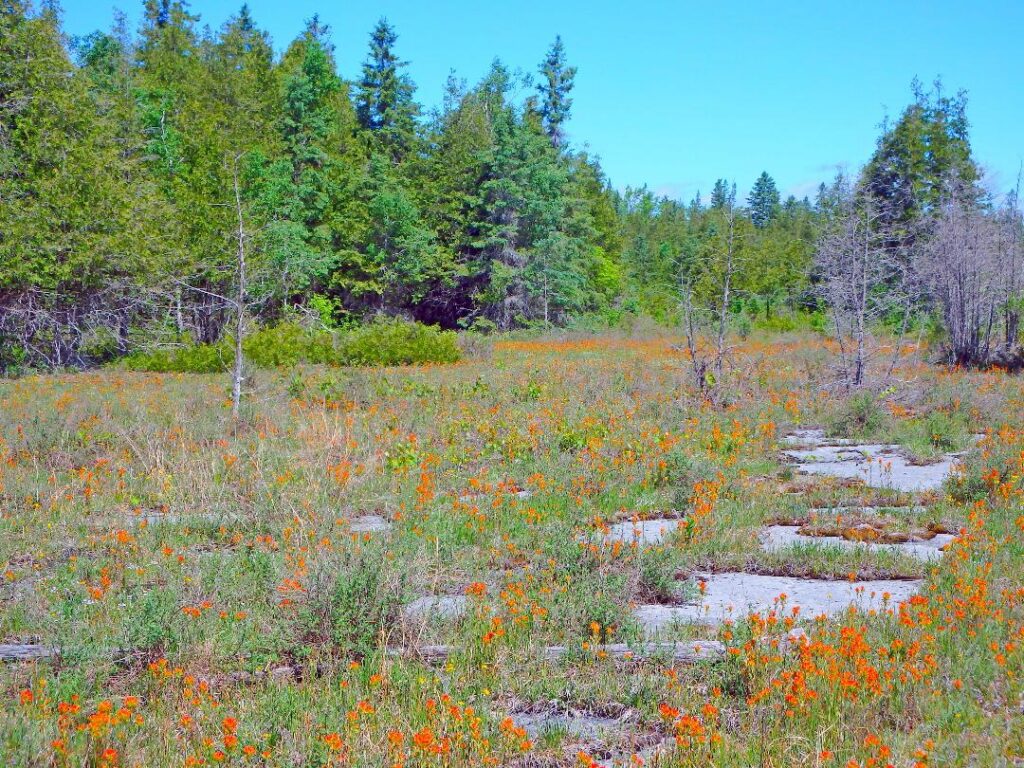
They are the world’s rarest habitat, yet we find a fair number on the limestone plains of Southern Ontario, where they are often at high risk of degredation.
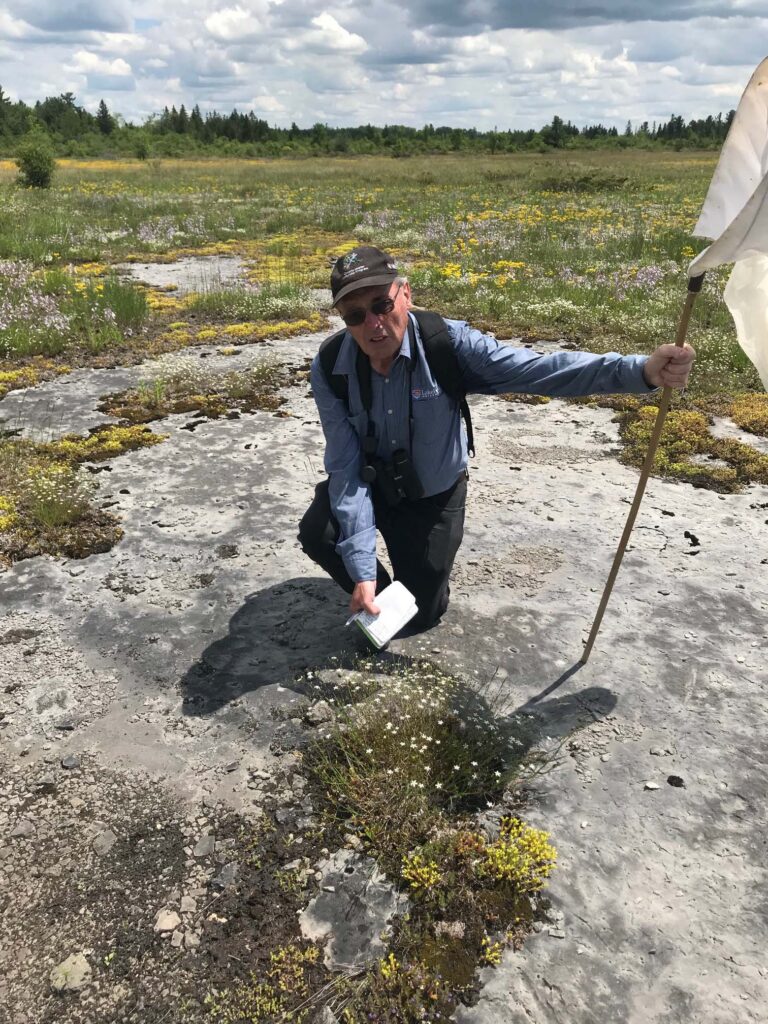
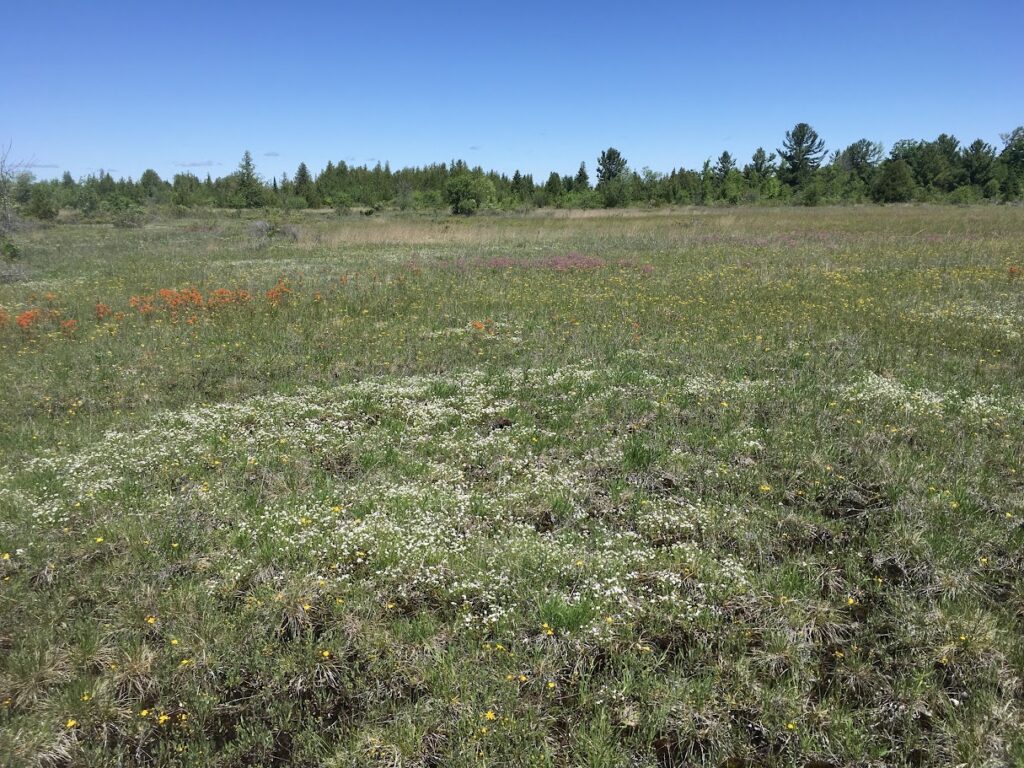
Bob’s first experience with alvars was the Carden Alvar in 1980, when it was a 1000 acres of cattle called Cameron Ranch. Here he began a decades-long study of the flora, birds, lichens, mosses and liverworts, leading to its eventual designation as a provincial park in 2014.
While searching for some Canada Jays that had been reported there in the winter of 2016, Bob stumbled upon two open areas that he recognized as additional alvars — previously unknown, and which are now in the process of being protected by the Couchiching Conservancy.
The Robert L. Bowles Nature Centre at the Carden Alvar recognizes his three decades of species monitoring there.
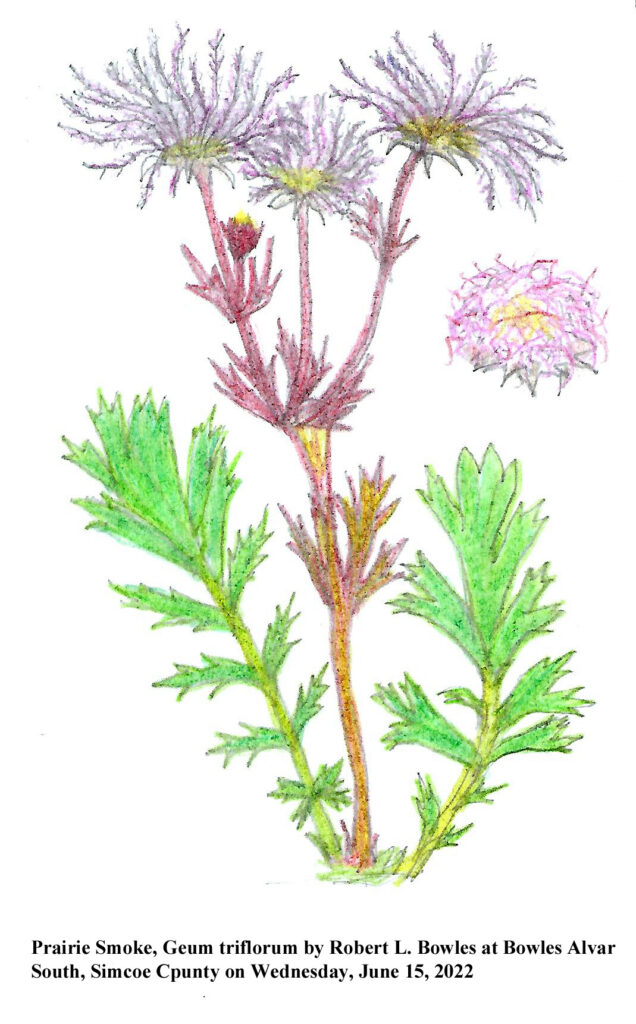
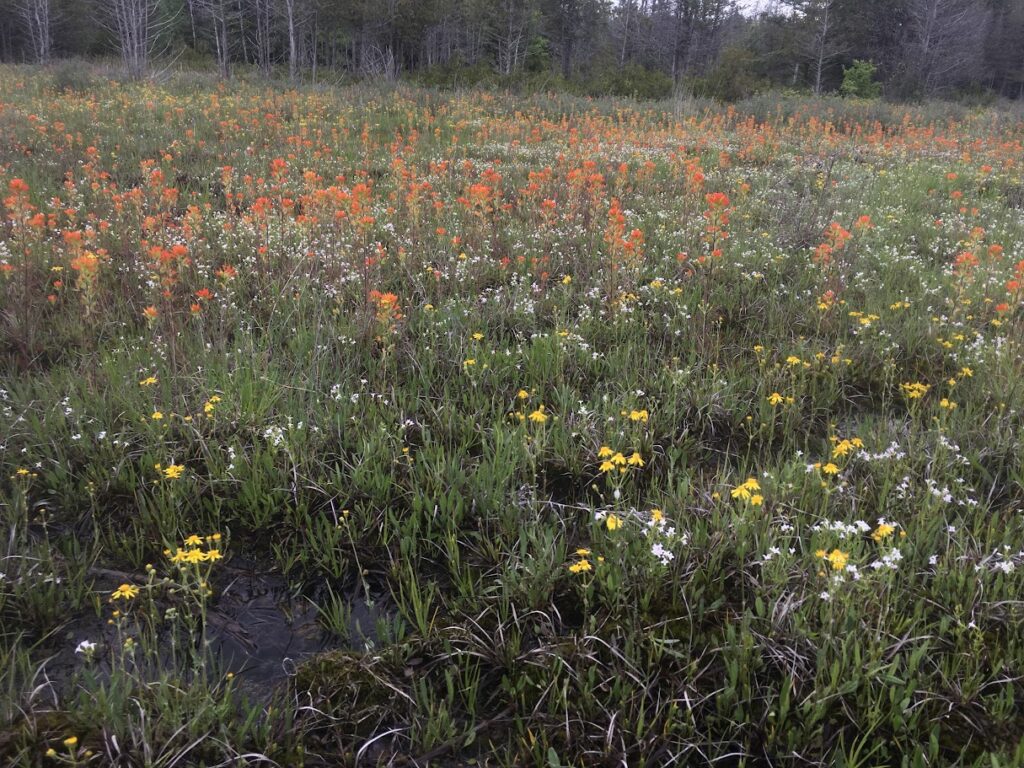
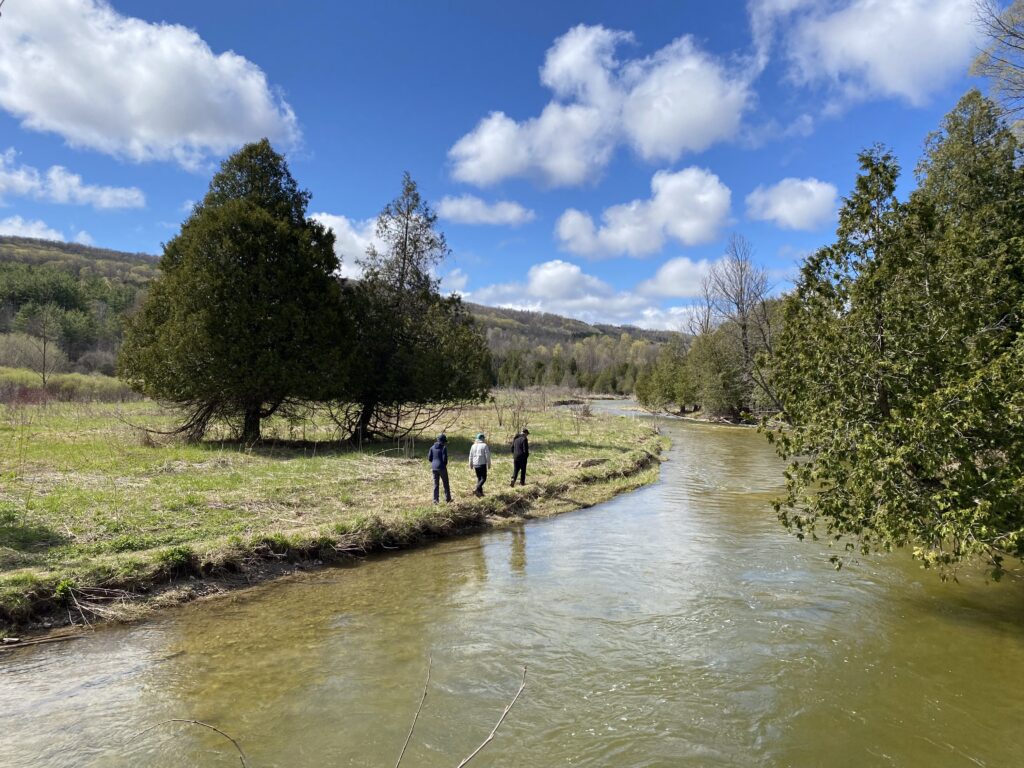
Now, Bob is coming back to the watershed of his childhood, to develop a species baseline and to train the community in maintaining plant and animal inventories. As we begin this important project together, Bob shares his general approach, beginning with our first event on June 8th, 2026:
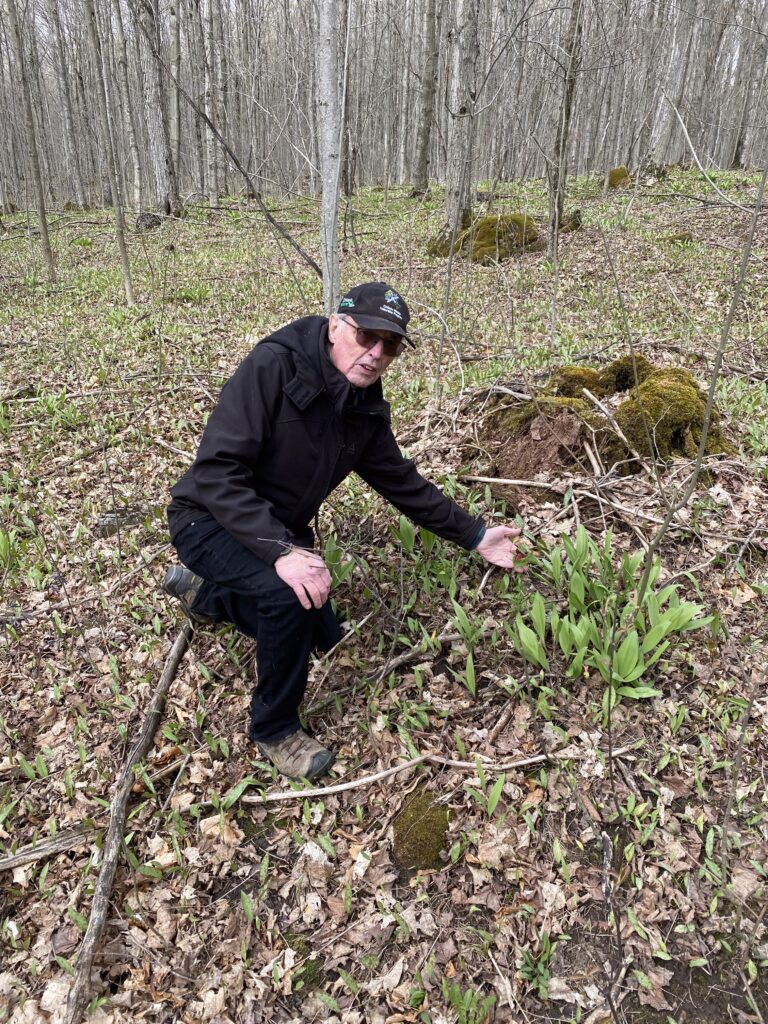
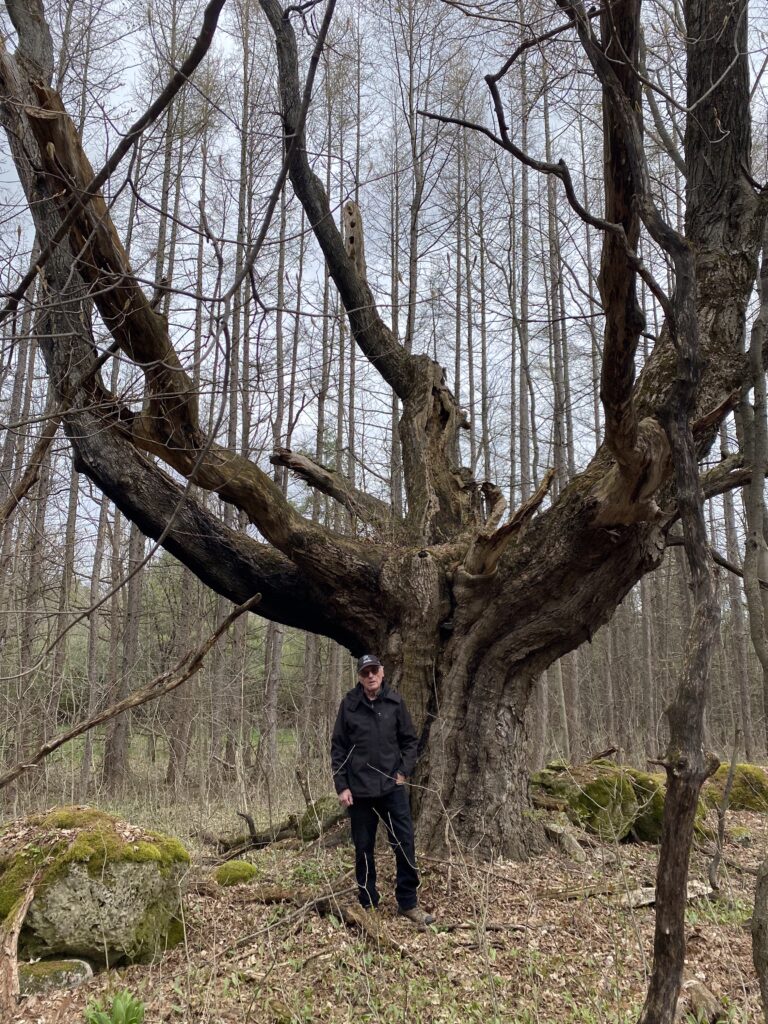
“We should stay in one group and I can go over the expected species of butterflies and dragonflies, how to conduct the count and record the data and we can share information on the prime areas and try to make brief visits to those areas.
“Next year, we will divide the count area into sections and have different teams cover each of them. But for this year, we start slow, get to know the butterflies and dragonflies, the best sections of the river and area and how to record data.
“Citizen Science is important in getting to know the area by the people that know it best, the residents, and a project that can involve everyone, the young and the old, the experts and the novices, all working together and sharing knowledge of the land.
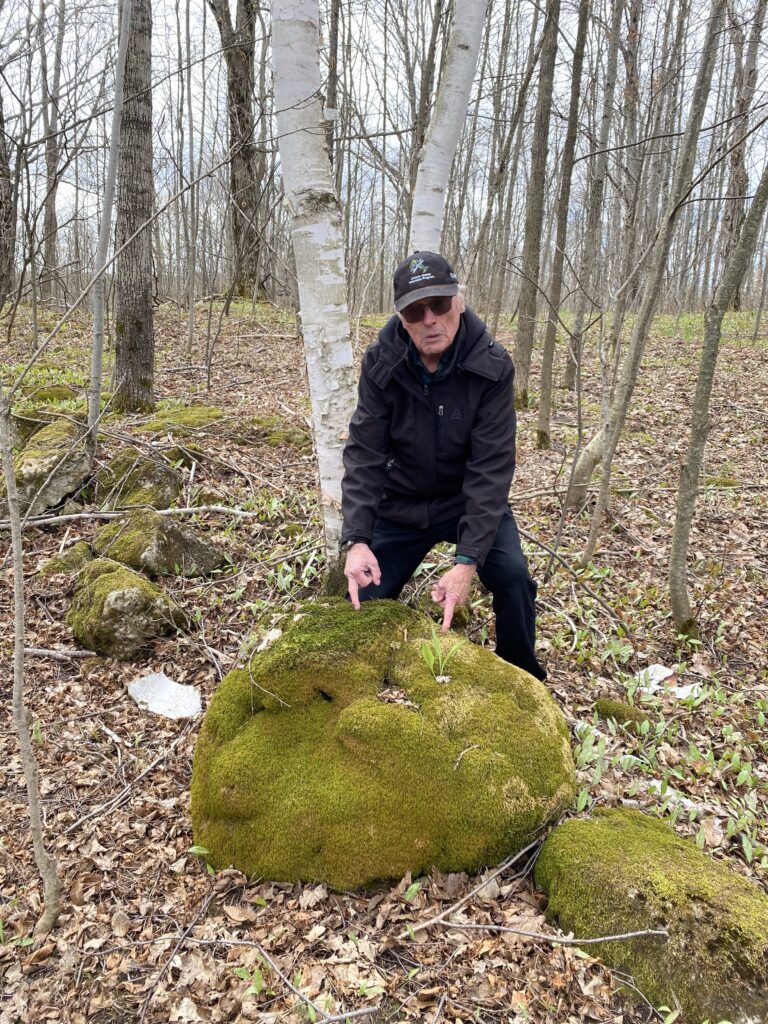
“This project has a learning and a teaching section and we will bring them together in a meaningful scientific effort to document and safeguard the many species in nature.”