

About
Beaver Valley Destination Stewardship brings the host community of the Beaver River Watershed together under a set of guiding principles so that through our relationships we share responsibility for the holistic care of our home.
In this globally-recognized stewardship model, governments, businesses, civic groups, residents, and the tourism industry collaborate to sustain and enhance the uniqueness of the area.
Our vision and purpose work towards respecting the very qualities that make the beautiful Beaver Valley first and foremost a wonderful place to live, with the added benefit of being a wonderful place to visit.
We are defined by the watershed.
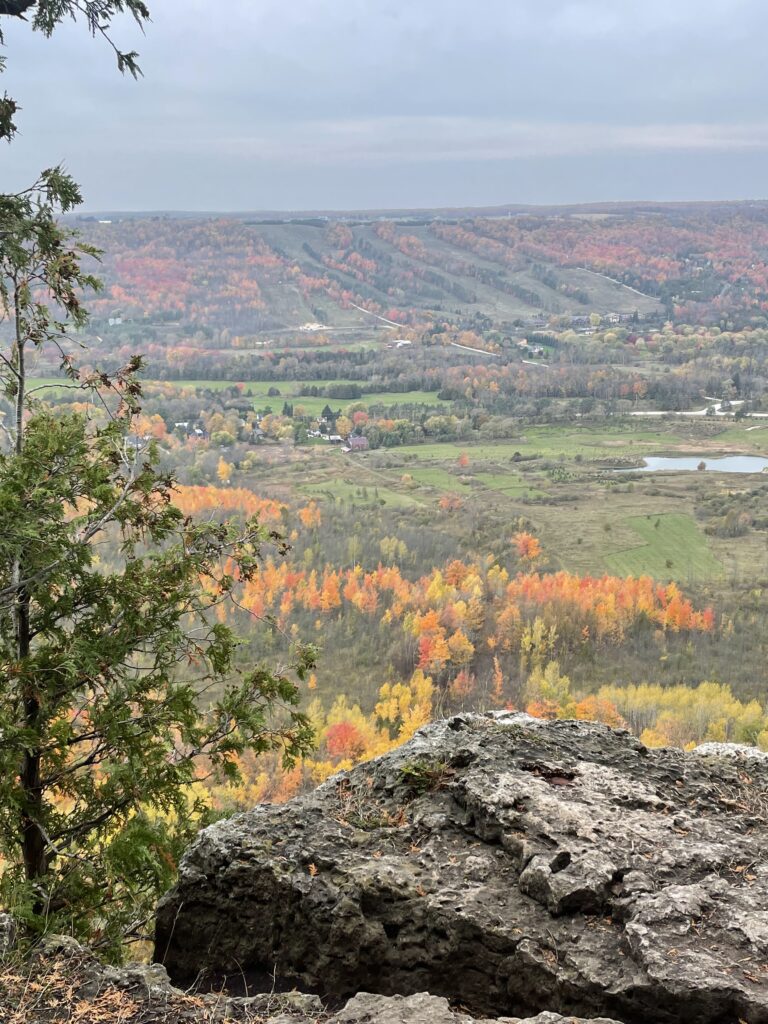
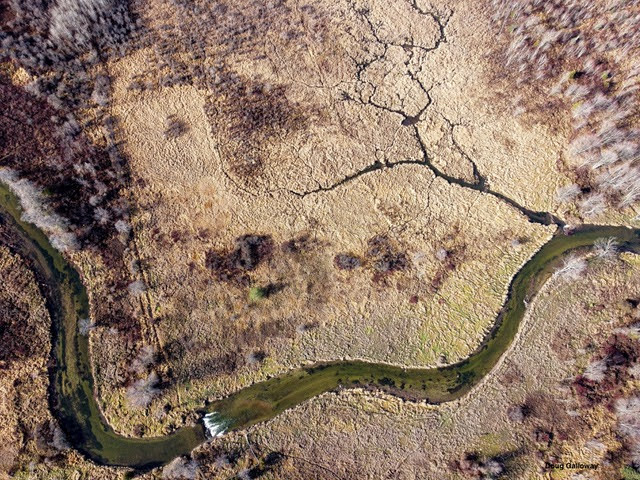
It is very intentional that Beaver Valley Destination Stewardship starts with the watershed, which includes highly sensitive and undeveloped areas, including karst topography and prominent geological features.
The area overlaps with the Niagara Escarpment, the UNESCO Biosphere, Areas of Natural and Scientific Interest, the Bruce Trail, provincial parks, and crown and municipal lands; however, both water and tourists cross these jurisdictional lines.
The work of BVDS rests on two key ideas: we are accountable to a set of agreed-upon principles, and we apply a governance structure that brings all voices to the table.
The guiding principles for Beaver Valley Destination Stewardship are informed by and adapted from the Geotourism Principles originally set forth by National Geographic.
Their author, Jonathan Tourtellot, advised us in our early years.
Our five Principles are also adapted from the international Future of Tourism Coalition’s Guiding Principles, and from the openly reviewed Destination Sustainability criteria presented by the Global Sustainable Tourism Council.
Principle 1. See the whole picture
Tourism is complex and touches all aspects of community life, not just visitor-facing businesses.

Principle 2. Respect the natural and cultural distinctiveness of the watershed
The beautiful Beaver Valley has a brand.
The brand isn’t a logo; it’s the unique expression of what the watershed inherently is.
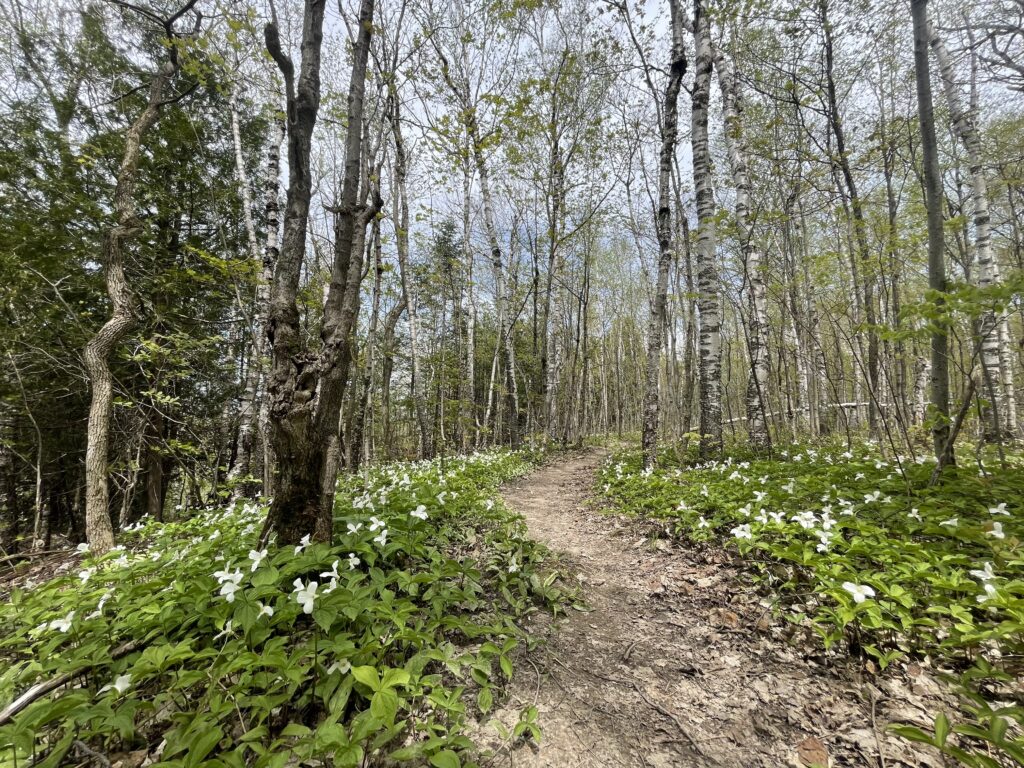
It’s the flora and fauna, the geological assets and spectacular scenery, the culture of cuisine, music, arts and crafts, the rural and agricultural lifestyle, and the spiritual and cultural history of the Beaver Valley.

This distinctive destination character is the goose that lays the golden egg, and respecting it is not just brand allegiance, it’s also sustaining a quality of life.

Principle 3. Benefit local communities — both people and nature
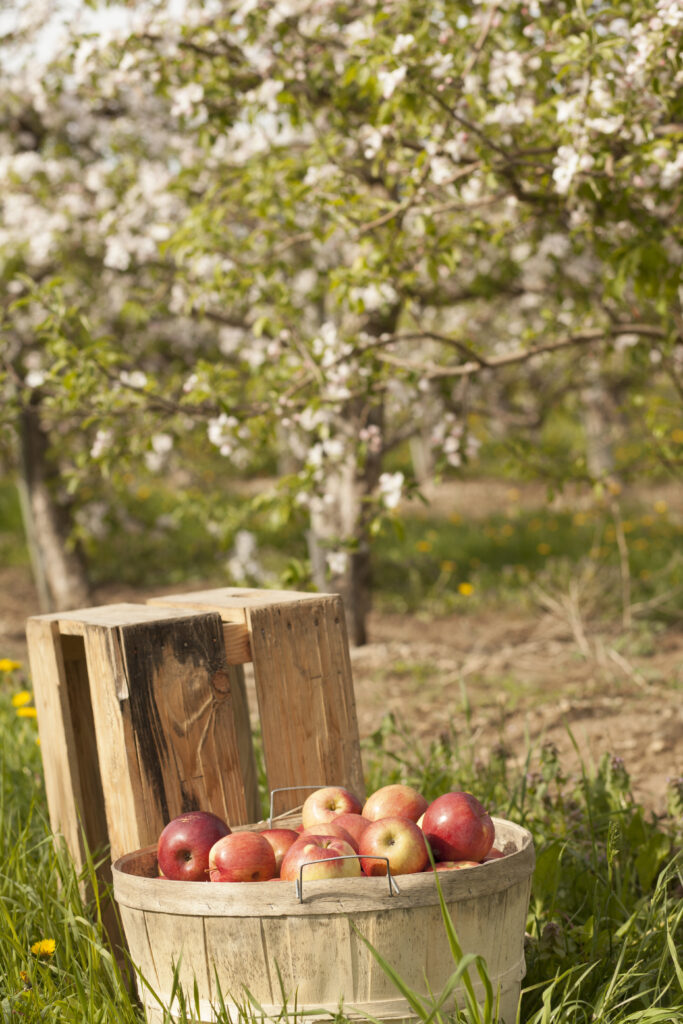
Benefits are the driver for success.
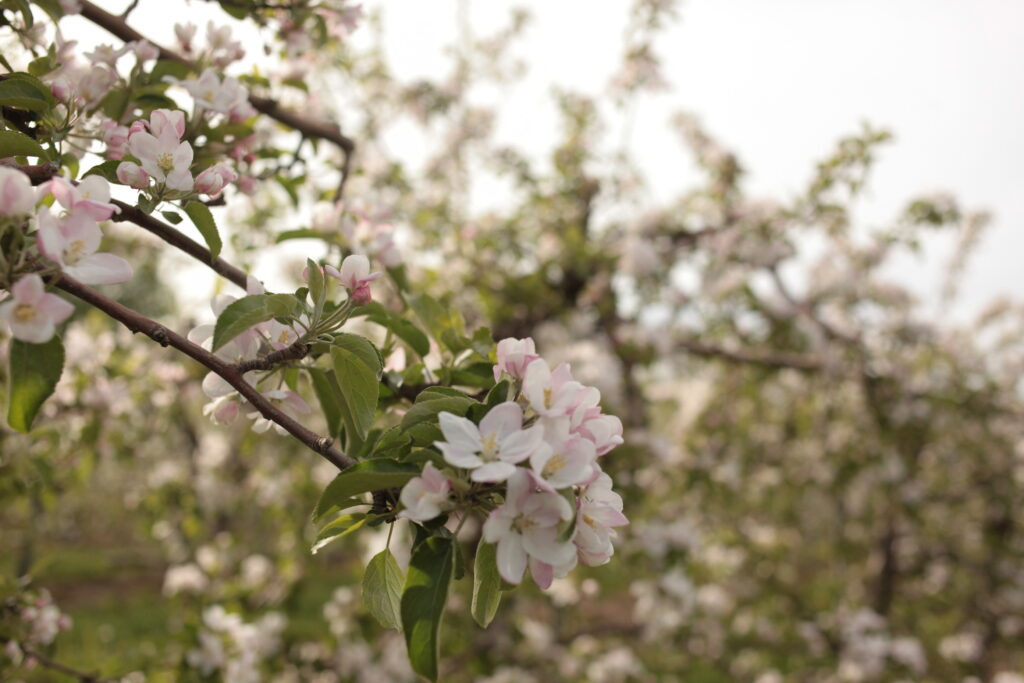
The community is incentivized to protect natural habitats, heritage sites, and local culture when they receive economic, social and cultural benefits to do so.

Principle 4. Value quality over quantity
Quality is nuanced and complex, compared to quantity.
We need to ask, what tourism benefits exist beyond immediate financial transactions?
How do we encourage tourism growth in market segments that are most likely to appreciate, respect, and share information about the unique character of the beautiful Beaver Valley?
And, what is the carrying capacity of the watershed and how do we operate within these natural and cultural limits?
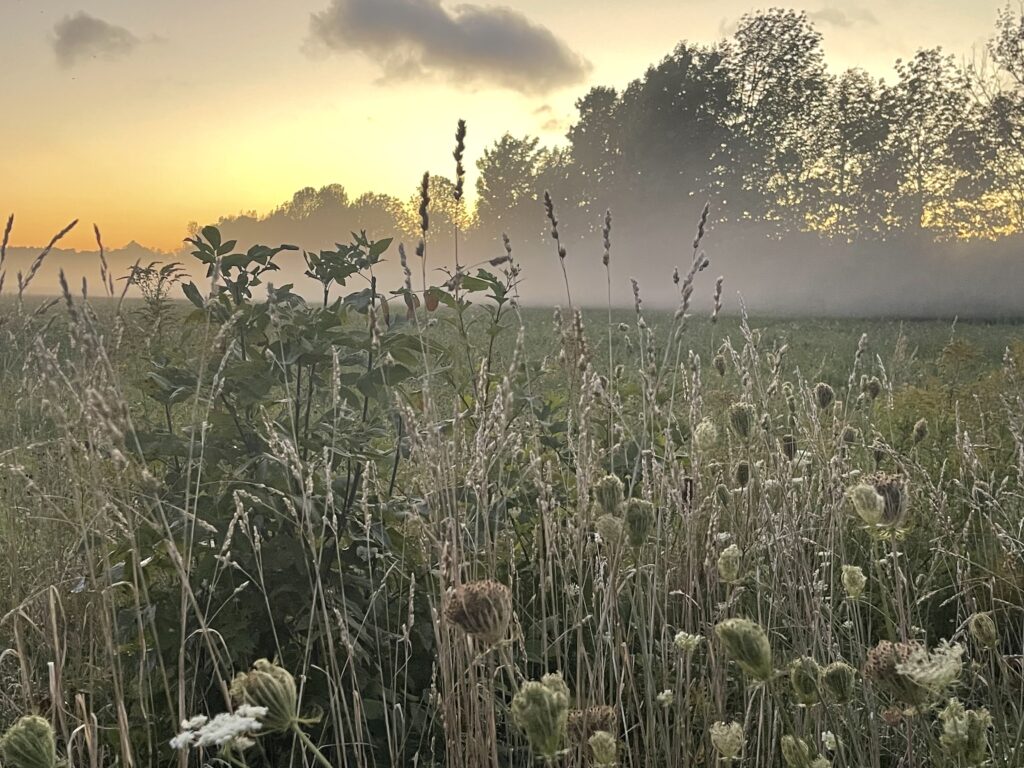
Principle 5. Share responsibility across all sectors
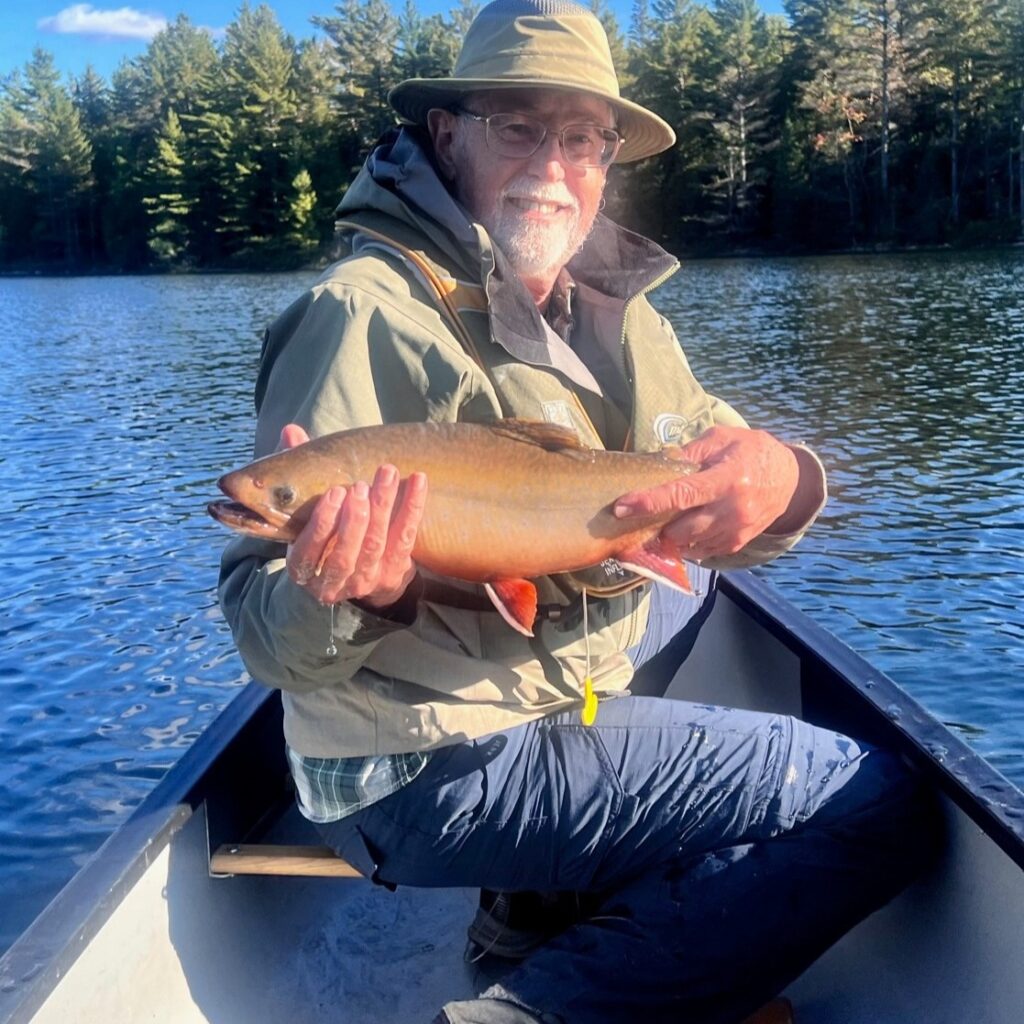
In this grassroots approach, community itself is the table at which discussions about tourism take place.

Destination Stewardship emphasizes co-creation of tourism policy between government, businesses, civic organizations, researchers and scientists, and citizen’s groups.
“Ultimately, those that take a collaborative approach that builds on the principles of destination stewardship are more likely to succeed in developing resilient, inclusive, and sustainable destinations.”
World Travel and Tourism Council Publication: Towards Destination Stewardship