

Submitted by Bob Bowles, with photos from Heather Bowles James
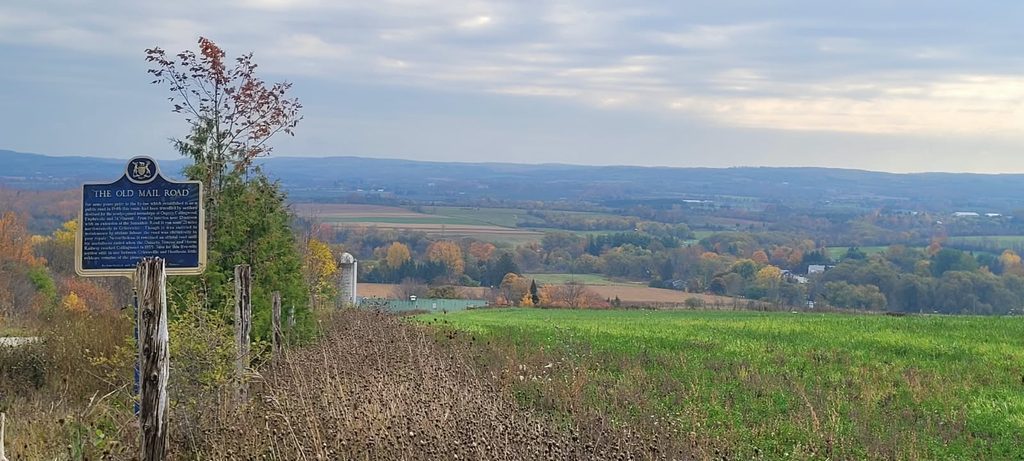
Autumn colour leaf displays are more brilliant and longer some years, but other years are more muted since they are influenced by multiple factors and not dependent on just a single element.
Leaves are able to detect the decrease in daylight of the waning year, and when the days become short enough, the initial steps for their detachment are prompted. Temperature plays a more important role later on, but only after the leaves have already begun to change.
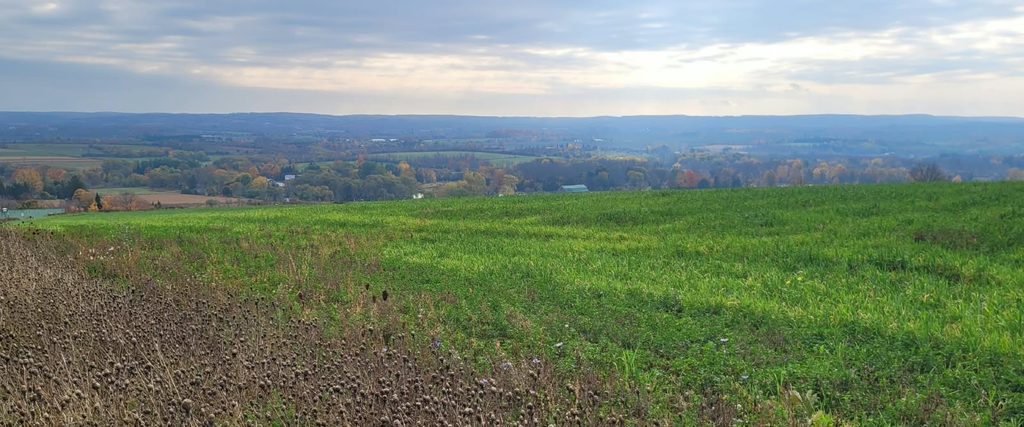
Once the length of day triggers the process, cells in the abscission layer are stimulated to rapidly divide forming a corky barrier near the base of the (petiole) leaf stem. This barrier grows larger and more robust over the following weeks and restricts the exchange of water and nutrients between the leaves and the tree.
Trees manufacture their own food during the growing season using sunlight and converting it into sugar through a miraculous process called photosynthesis, a complex chemical process within the leaves using tiny chloroplast molecules containing chlorophyll. Chlorophyll gives the pigment that makes trees and plants appear green to humans during spring and summer.
With the restriction of water and nutrients to the leaf, chlorophyll production eventually ceases, and the life-giving pigment begins to degrade. Other accessory pigments in the leaf that have been masked by the chlorophyll are now revealed.
The yellow hue is produced by the xanthophylls and the orange hue by the carotenoids. Later come the brilliant reds and purples that we all enjoy produced by another pigment, anthocyanin that is derived from the sugars trapped in the leaves. Pigments give the colours to the leaf displays.
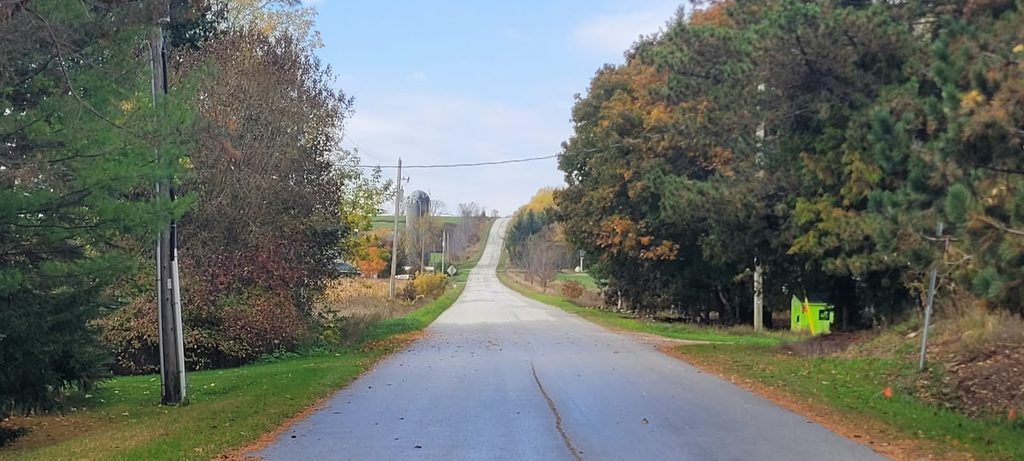
The intensity of these foliage displays is driven by moisture, sunlight, and temperature. The best, and most brilliant displays come after periods of abundant rainfall, warm sunny days, and cool nights. The abscission layer can divide prematurely during periods of drought causing the leaf to drop before the advanced formation of colour.
Low rainfall also results in the limited production of leaf sugars that aid in the manufacturing of anthocyanin resulting in the reduction of this pigment that gives the brilliant reds and purples.
Anthocyanin production is at its highest levels during warm days with high levels of light that create large amounts of sugar, and the cool nights prevent these copious amounts of sugars from exiting the leaf. By autumn end, these secondary pigments degrade just like the chlorophyll before them and leaves turn brown by the lasting tannins, the only pigment that remains.
Displays are also shortened by high winds, heavy rains, and ice. While cool nighttime temperatures are beneficial for colour development, if it drops below freezing then the leaves will drop quicker.

Phenomenal foliage displays are becoming increasingly rare since everything has to fall perfectly in place. Conditions of warm, sunny days and cooler nights with calm stable weather and lack of temperature and precipitation extremes are less common now with climate change.
This year, the lack of rain in September and lack of low overnight temperatures in early October gave a poor display with hardly any red in the maple trees.
Without rain between September 10th and October 1st, the abscission layer divided prematurely resulting in early leaf drop and decreased colour intensity. The rain that followed during the first week of October came too late. Overnight temperatures were still in the double digits up until September 12th and did not drop to zero until October 5th but then went back up to double digits until October 14th.
The rain over the last two weeks has brought about 50% of the leaves to the ground, with more expected this weekend. Displays usually peak around October 19th and 20th, but this year we will be lucky to have any leaves at all by the 20th.