

Adapted from “Going Beyond the Minimum in Stormwater Management: Managing for Environmental Excellence in Grey Highlands”, a Discussion Paper prepared for MGH Committee of the Whole and the Rocky Saugeen Community by J. G. Imhof April 16, 2025
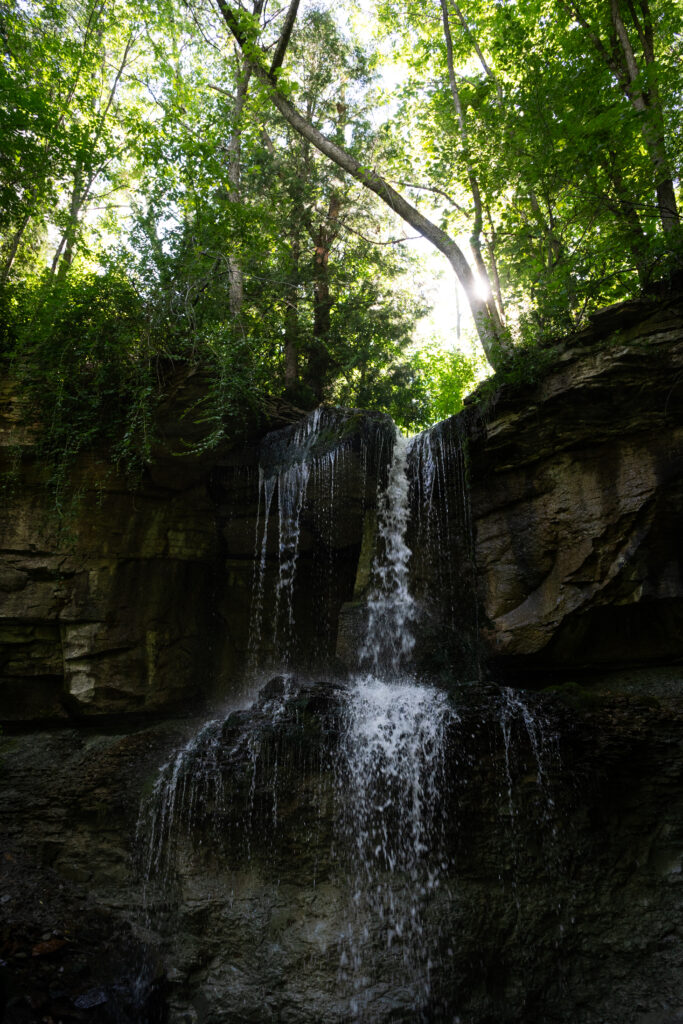
While many watersheds in Southern Ontario have been negatively affected by extensive loss of wetlands and impacts from urbanization, aggregate operations, and agriculture, Grey County has a rich groundwater system that results from a special combination of geology, extensive forest cover and large tracts of wetlands.
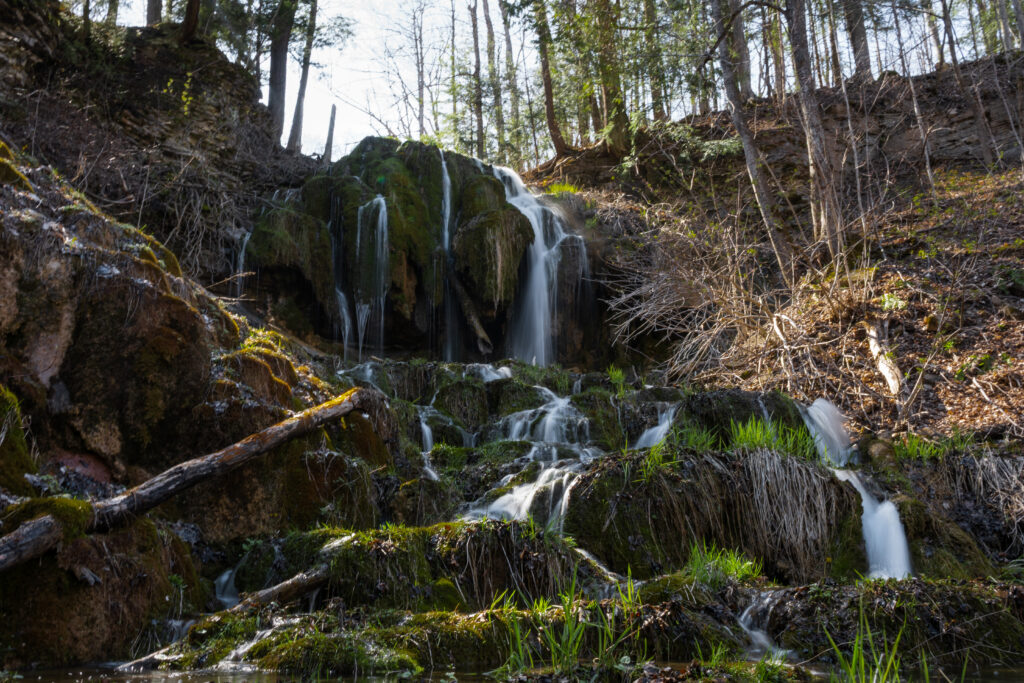
Groundwater aquifers are critical to the quality and health of our rivers and streams. Water, nutrients, and sediments move in complicated patterns over and through the land surrounding visible waterways, and the aquifers release clean groundwater into our sensitive rivers and creeks at a steady year-round rate with a consistent, cold temperature of about 8° or 9° Celsius.
However, over the past decade in Grey County, our communities have been experiencing significant growth pressures affecting the aquifers we rely on for ourselves, our animals and crops, and the natural world around us.
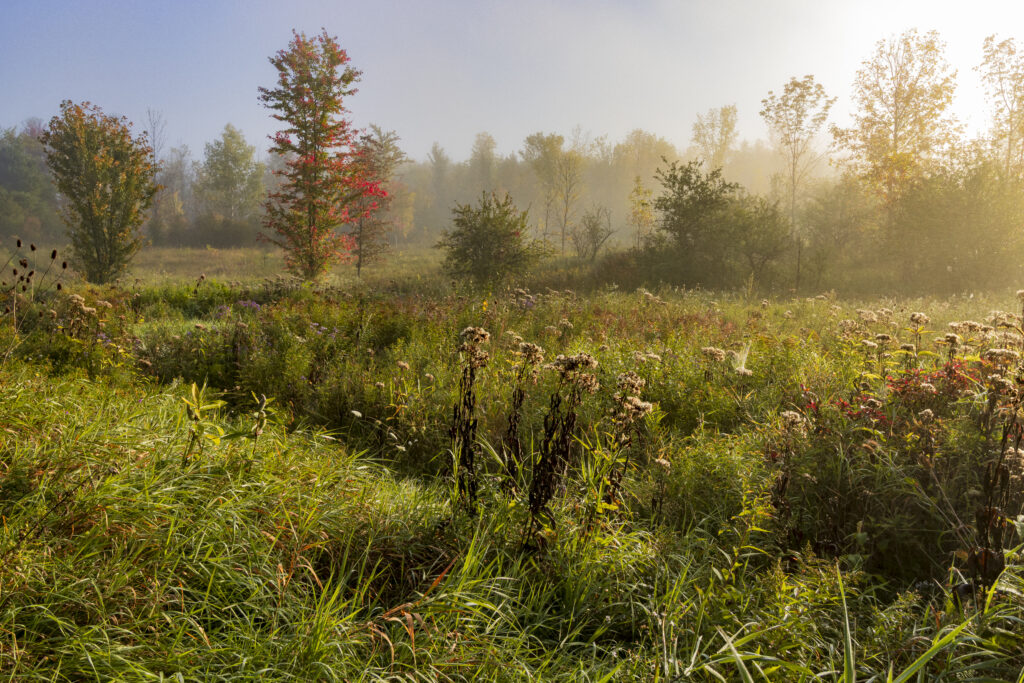
The cumulative impacts of small damages to our collective water can put our ecological integrity, social wellbeing and economic vitality at risk.
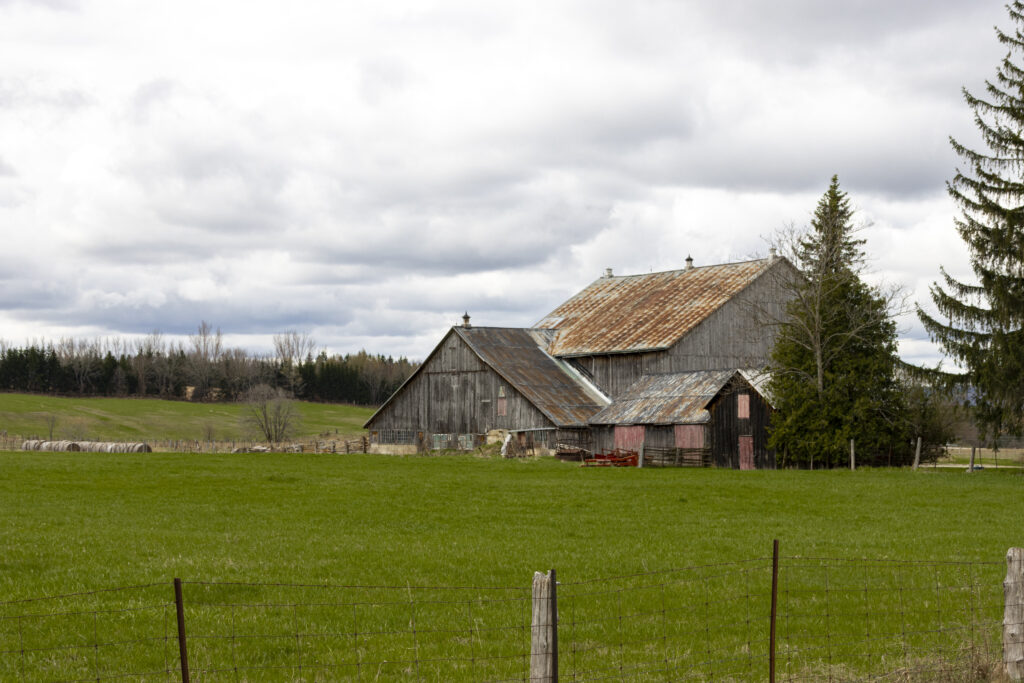
When grasslands, pastures and forests are developed, much of the rain and snowmelt can no longer soak into the ground and reach the aquifer.
Heavy rains cause massive volumes of “stormwater” to run off these impermeable surfaces. Historically we tried to move all water as far as humanly possible away from our infrastructure to an outlet, such as a river, stream, wetland, or lake.
The result is major adverse downstream impacts to agricultural lands, damage to infrastructure, and contamination of water for other uses, creating significant burdens for taxpayers and downstream landowners.
In addition, the water is not returned to the aquifer, where it was headed.
To reduce some of these impacts, stormwater ponds were introduced about 40 years ago to temporarily store a large volume of stormwater then slowly release it to the receiving stream and floodplain. This minimizes erosion of the stream channel.
However, stormwater ponds are often very warm during hot weather, and their overflow poses a serious risk to the ecology and fish habitat of cold water streams.
Furthermore, these ponds do not mimic the cleansing properties of the soil, gravel and sand beneath our feet, and they can increase sediments in the receiving waters.


Most importantly, the lack of infiltration in stormwater ponds fails to return water to the aquifers in urban/urbanizing areas, where it would be cleaned, cooled, and stored for future needs.
Depleted aquifers also impact the resources needed for agricultural lands and drinking water, and result in reduced movement of cold clean groundwater into local streams and wetlands.
It is time to prevent large amounts of partially-treated warm surface water caused by development from being discharged into our waterways, and instead return it as a resource to the aquifers where it is cooled and cleansed before re-appearing in our coldwater streams and drinking wells.
Innovative Low Impact Stormwater Designs (LID’s) do just this by capturing and infiltrating stormwater on-site down into the ground to replenish natural aquifers.
There are economical options available and our soils are well-suited to these techniques, but we need to actively choose these options and move beyond the minimum standards, if we are to plan for future generations.
Provincial policy directs local governments to use the watershed as the ecologically meaningful scale for decision-making, and it requires us to protect, improve, and restore the quality of water across the entire watershed.
Other current provincial requirements, including reduced wetland buffers, are not adequate to maintain the ecological integrity of our watersheds. especially considering cumulative impacts.
With increasing un-checked pressures, natural systems may never recover.
Municipal policies define on-the-ground outcomes. Do we currently consider stormwater as a “waste product” from our urban and urbanizing landscapes or do we acknowledge what it really is — a critical resource?
Re-framing how we think about stormwater would change our management practices, and would prioritize returning the stormwater to the aquifers that need it.
A Stormwater Management Master Plan can set these priorities out in a meaningful way for the community and ensure that our aquifers are re-plenished for future use.
High quality, healthy watersheds are a shared responsibility.
Related posts:
 Glaciers, Habitat, and Old River Postcards
 Damselflies and Dragonflies of the Beaver River
 Fly Fishing on the River
 E. C. Carr Observatory
 The Geology of the Beaver Valley
 The Wickens Family in Kimberley, 1857 and on
 Growing a Resilient Future Using Local Seeds
 Late Winter/Early Spring birds
 Ramping Up for Spring
 Citizen Scientists Monitor Plant Sales and Trails for Invasive Species