

Preserving in the Valley by Martha Rogers from www.thevalleypreservery.ca
Contact: preservingwithmartha@gmail.com
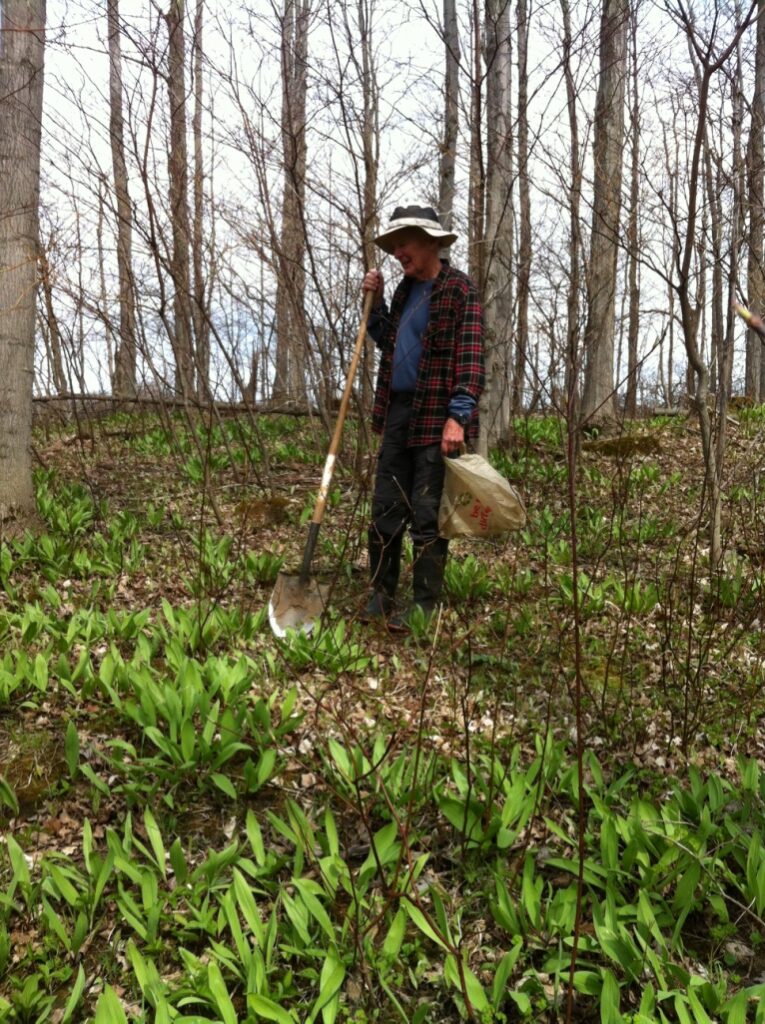
Wild leeks, commonly called ramps, are spotted in spring, ephemerally dotting the floors of deciduous forests. The plants have distinctive elegant bright green leaves and bulbs that look like green onions but smell like garlic.
If you head out, take a bucket and shovel as they have deep, tenacious root systems.
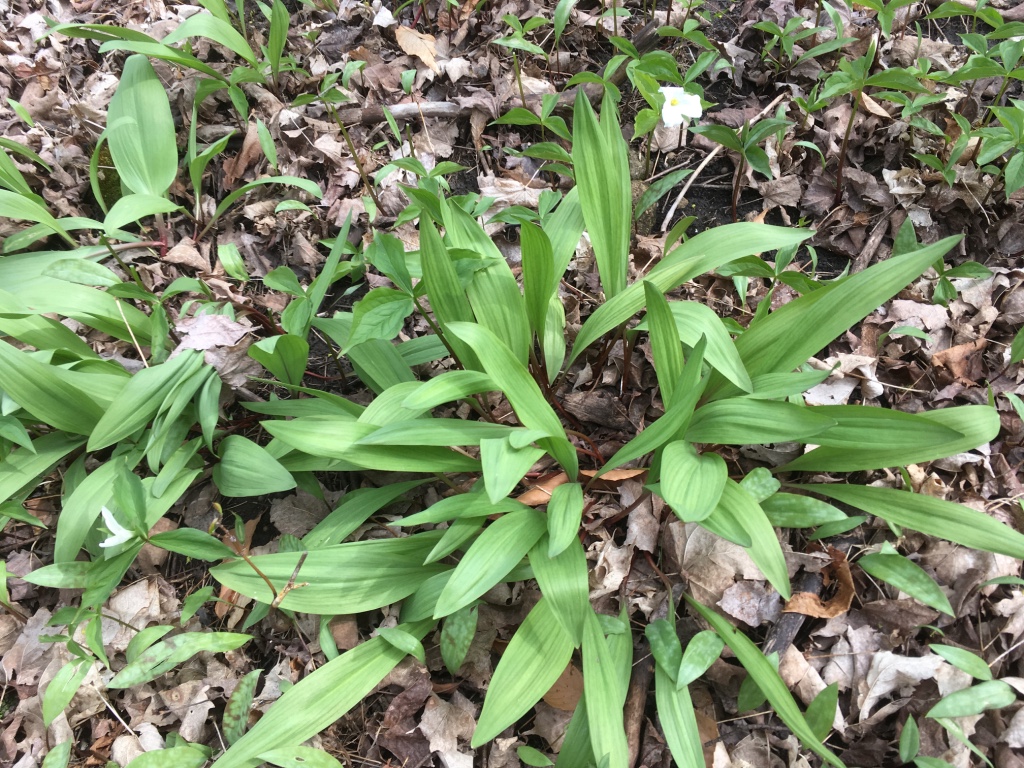
Wild leeks have become so popular that in many areas they have been over-harvested to the extent they are considered endangered! They take 7-10 years to mature so it is critically important to only harvest what you need and no more than 20% of a given cluster. Put on your conservation hat when you forage for ramps.
These plants are truly a gift to the preserver’s kitchen.
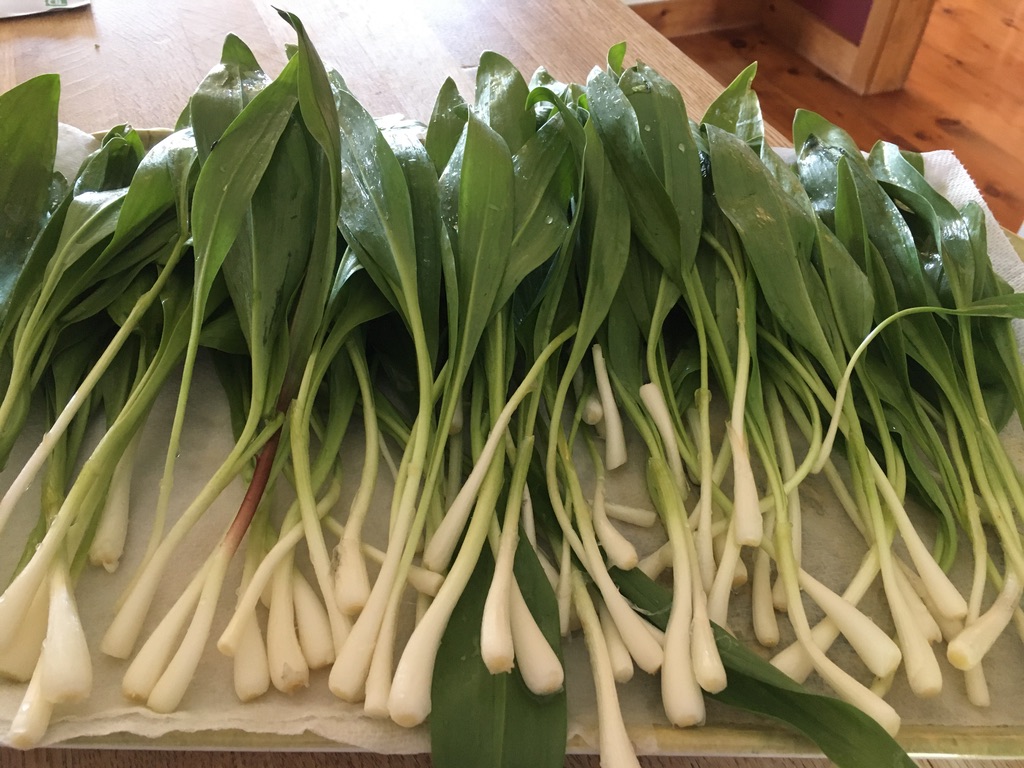
The bulbs freeze well but don’t forget the leaves. Throw them in the food processor with olive oil, salt, and parmesan for a quick and freezable pesto. To store fresh leeks, wrap in paper towel and put into freezer bags in the fridge. Don’t bend the leaves as they bruise easily. Make sure the bags are sealed or the entire fridge will smell of garlic!
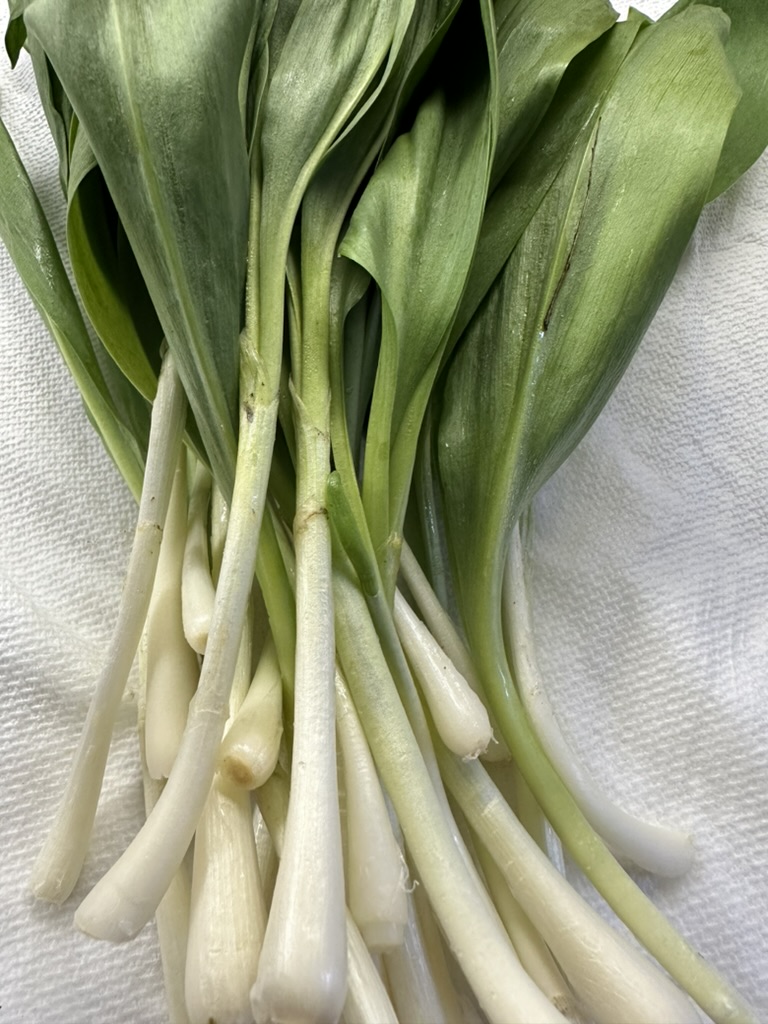
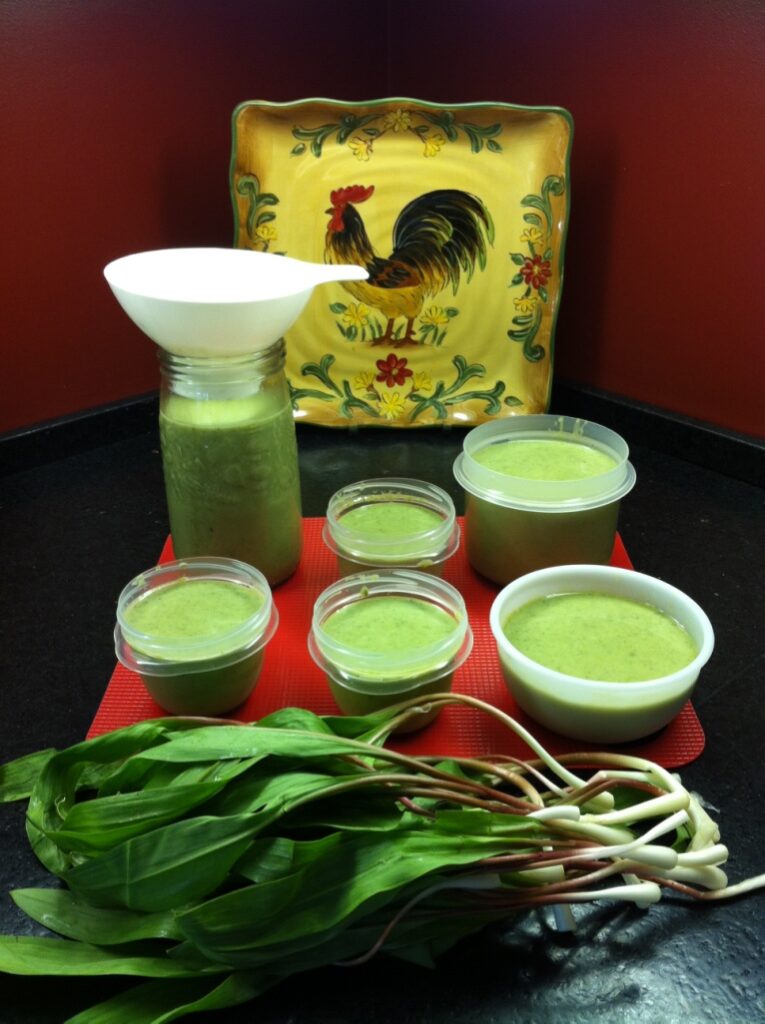
Once cleaned, wild leeks have many culinary uses. The bulbs and leaves are edible. They are delicious cooked or raw. Try a sauté, braise, or stir-fry. Add chopped leaves to a salad.
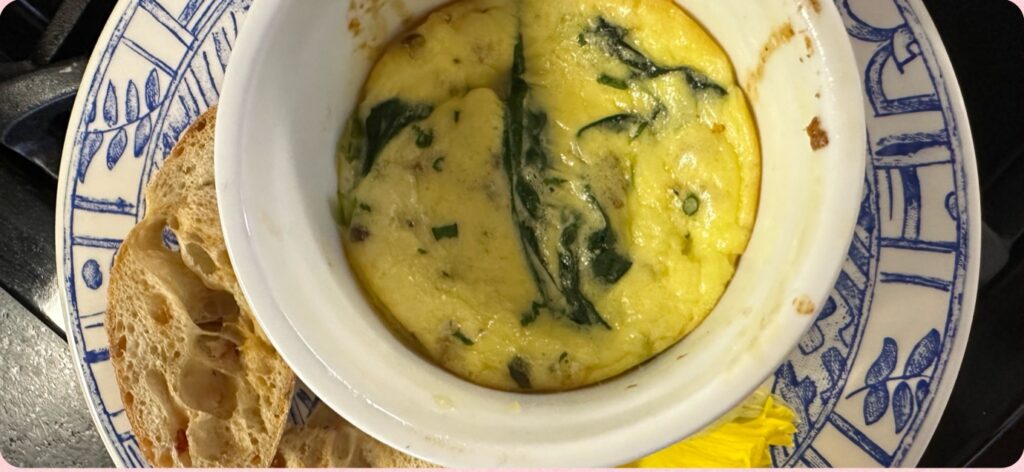
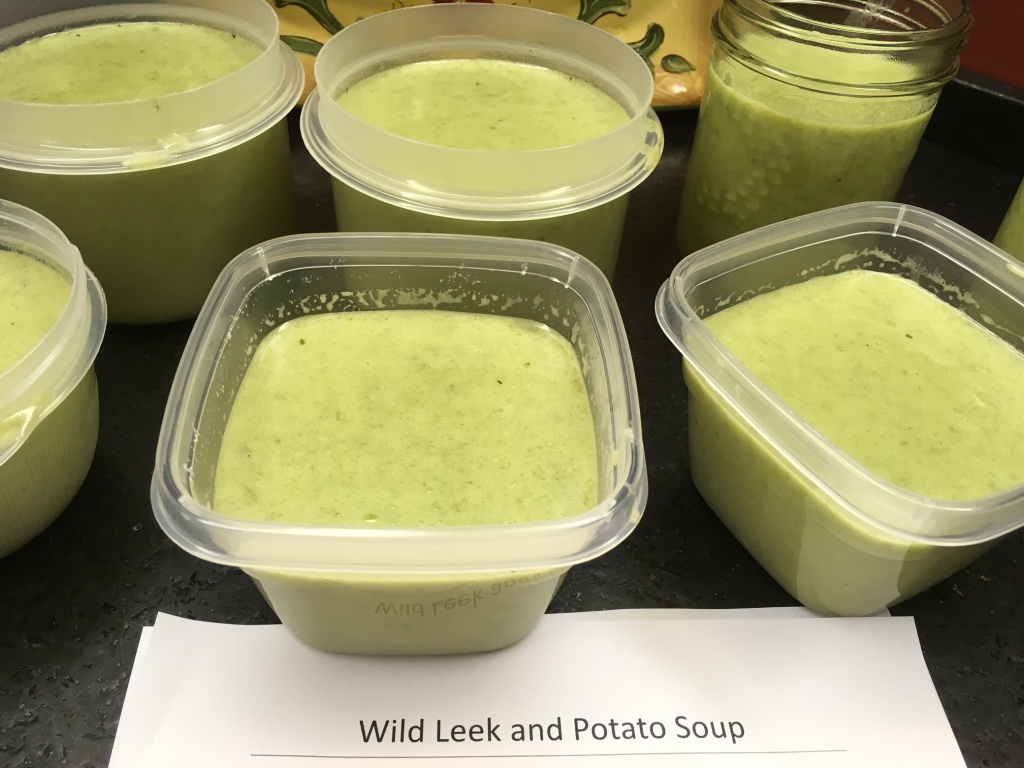
I make Wild Leek and Potato soup (vichyssoise).
Quick Pickled Wild Leeks
Clean and trim wild leeks saving leaves for another purpose.
Prepare a brine of 1.5 cups of 5% vinegar (any kind), 1.5 cups water, 2 TBLS sugar, 2.5 tsp pickling salt and herbs of your choice. Mix and bring to a boil.
Put leeks tightly into clean, hot jars. Ladle brine over top. Leave a ¼ inch headspace. Clean rims and let jars cool on the counter.
Once cool, put lids and rings on, label and refrigerate. Leeks will last, refrigerated, for 3 to 4 weeks.
PS: If you have excess brine, you can pickle other vegetables!
Related posts:
 Late Winter/Early Spring birds
 Growing a Resilient Future Using Local Seeds
 Citizen Scientists Monitor Plant Sales and Trails for Invasive Species
 E. C. Carr Observatory
 Damselflies and Dragonflies of the Beaver River
 From Beaver Valley to the Oyamel Peaks: A Journey to the Heart of the Monarch Migration
 The Geology of the Beaver Valley
 The Wickens Family in Kimberley, 1857 and on
 Osprey Historic Walking Tour
 Glaciers, Habitat, and Old River Postcards