

Submitted by the Grey Bruce Native Seed Bank Email Website GoFundMe Instagram Facebook
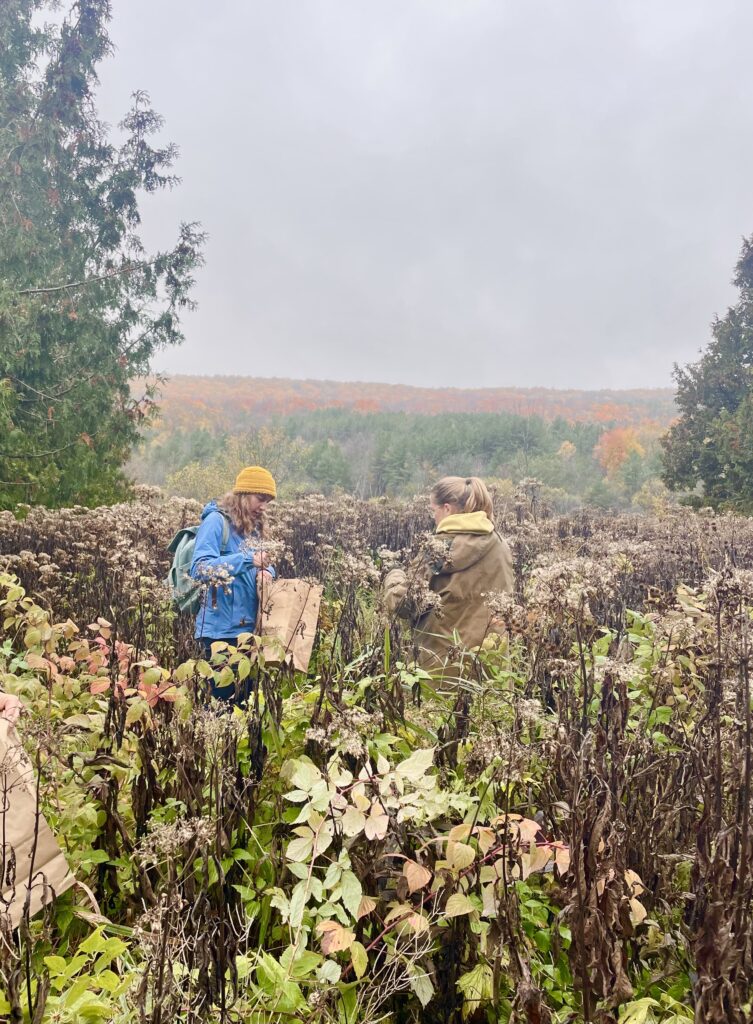
Local seeds matter.
Plants grown from seed collected nearby carry genetic adaptations shaped by local soils, climate patterns, pests, and pollinators, making them stronger, more resilient, and better suited to thrive in local conditions.
A plant’s genotype is the specific set of inherited genes that determines its potential for growth, form, colour, and resistance to disease.
When using seed sourced from far away, even if the species is technically “native,” those plants may not perform as well or meet the needs of local wildlife. Local adaptation influences everything from drought tolerance to bloom time.
Bloom time is important because pollinators, birds, and other wildlife have co-evolved with these plants, often relying on them as key food sources.
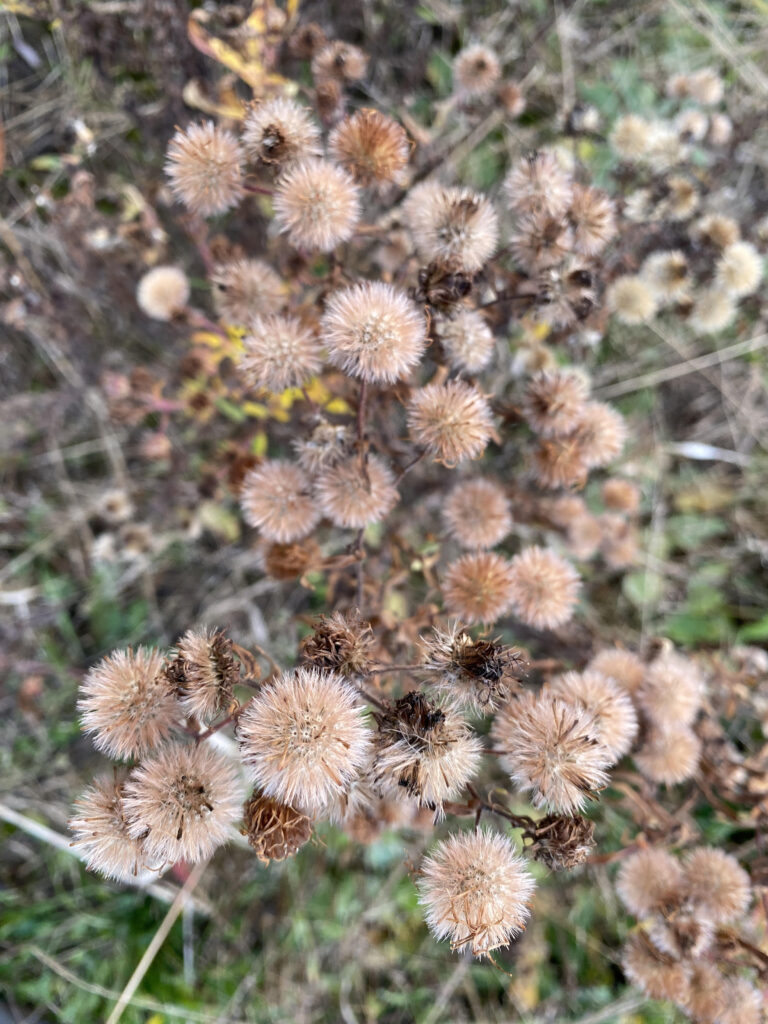
Grey Bruce Native Seed Bank (GBNSB) volunteers see how something as small as a seed can shape ecosystem resilience.
Restoring landscapes with genetically diverse and locally adapted native seed strengthens the ecosystem and improves its ability to adapt to climate change.
The species raised by GBNSB are of known provenance, from archived populations. Volunteers combine the botanical knowledge of the Grey and Bruce areas with scientific practices to raise the credibility of truly “wild adapted” seed mixes.
There will be several mixes of seed for different Grey Bruce ecotypes, such as wet, dry, pollinator specific, forage, alvar, specialist mixes, and short grass prairie mixes. Currently available species include Heath Aster, New England Aster, Grass-leaved Goldenrod, Upland White Goldenrod, Gray Goldenrod, Wild Calamint, and Large-leaf Aster.
If you are interested in supporting the Grey Bruce Native Seed Bank in restoring habitat and investing in the long-term health and resilience of the place we call home, we invite you to get involved. Volunteers gather bi-weekly from May through October.
Related posts:
 Citizen Scientists Monitor Plant Sales and Trails for Invasive Species
 From Beaver Valley to the Oyamel Peaks: A Journey to the Heart of the Monarch Migration
 Late Winter/Early Spring birds
 Ramping Up for Spring
 Damselflies and Dragonflies of the Beaver River
 E. C. Carr Observatory
 The Geology of the Beaver Valley
 Glaciers, Habitat, and Old River Postcards
 Keep Our Skies Dark
 Managing Stormwater as a Watershed Resource