

Information from Tasha Tremblay’s Ontario Master Naturalist presentation March 3rd, 2026, called “Education is Ecological Infrastructure: How Citizen Scientists & Public Awareness Protect Against Invasive Species in Ontario”.
An invasive species is a non-native organism that spreads rapidly and causes ecological, economic, or social harm. These species often outcompete native plants and animals for light, nutrients, habitat, or food.
[Black locust]
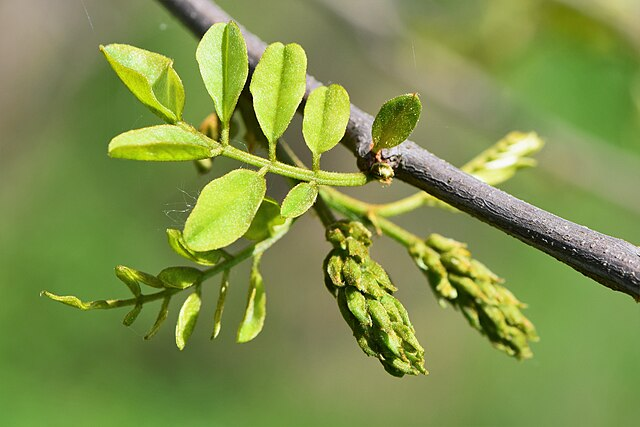
Many invasive species succeed because they lack natural predators in their new environment. Once established, eradication is extremely difficult, so prevention and early detection are critical.
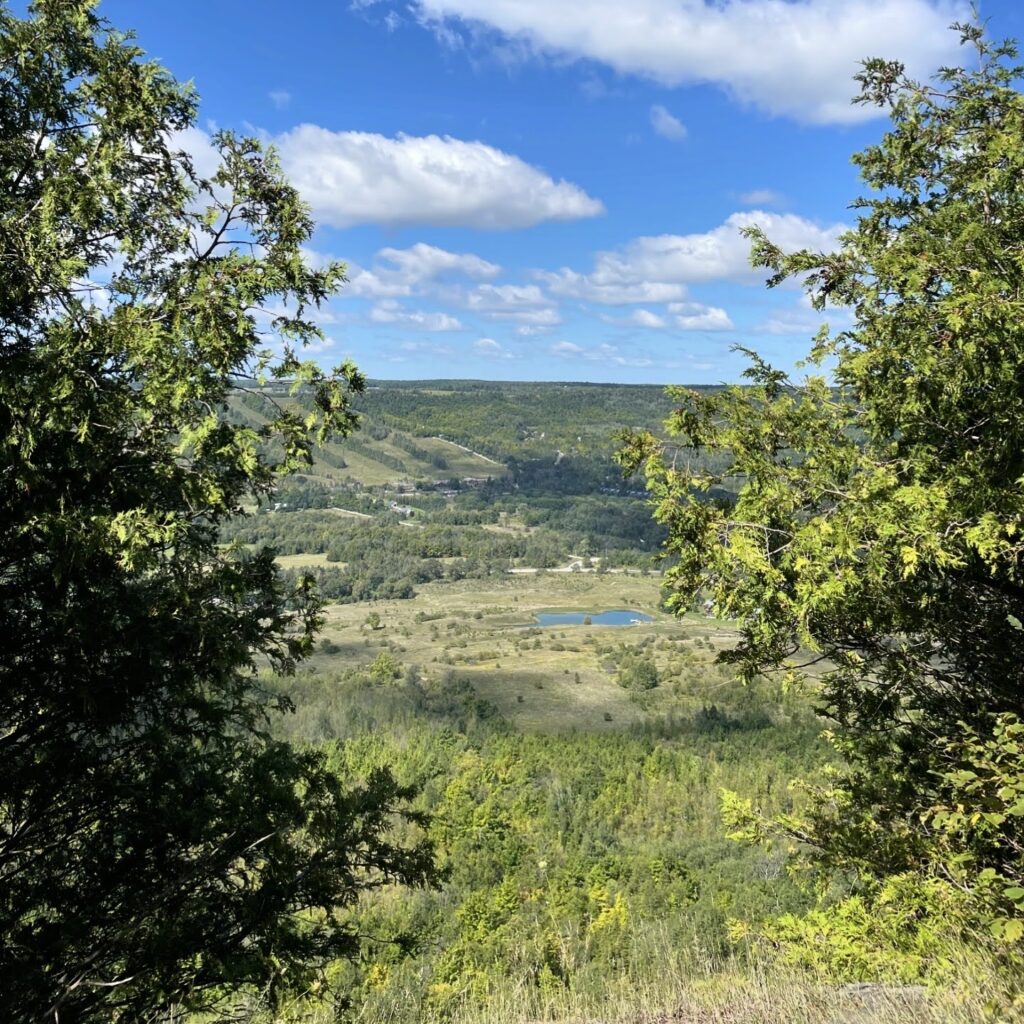
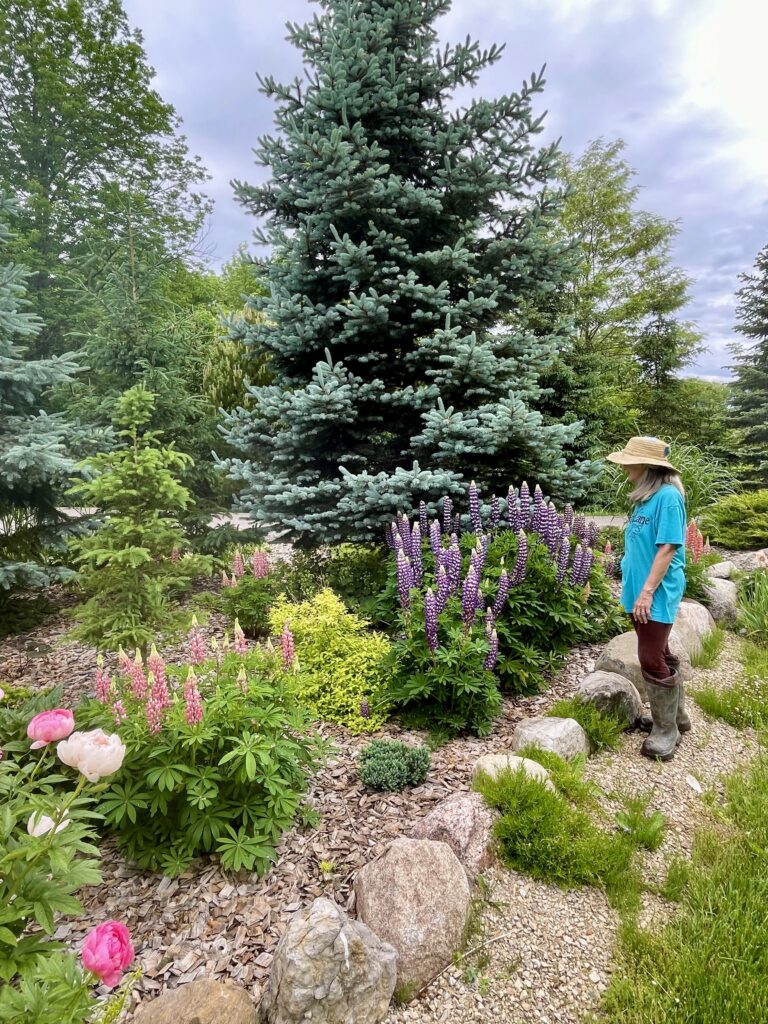
The approximate cost of invasive species to Ontario is $3.6 billion, and the horticultural trade is one of the primary pathways for invasive plant introductions. 52% of intentional invasive plant introductions are through the sale of ornamental plants, including landscaping and garden centers.
Annual municipal plant sales are often assumed to be ecologically safe, but education gaps at institutional levels can normalize invasives inadvertently when mislabeled plants, cultivars or non-native plants are sold as natives.
Public awareness is often the missing link in preventing invasive species. Education enables early detection and reporting, which is critical for control. Citizen scientists can help change public behaviours and expand monitoring beyond what governments alone can do.
At the bottom of this post is a curated list of invasive ornamental plants, trees and shrubs that are commonly found in garden centres in Ontario. But first, here are some local initiatives that draw on community support in combating the spread of invasives in the Beaver River watershed. Get involved!
1. Garlic Mustard
Submitted by Joan Nuffield of the Beaver Valley Bruce Trail Club (BVBTC). The BVBTC has “pull parties” seasonally for garlic mustard control. Contact her if you would like to join: joan.nuffield@gmail.com These parties are “all you can eat”!
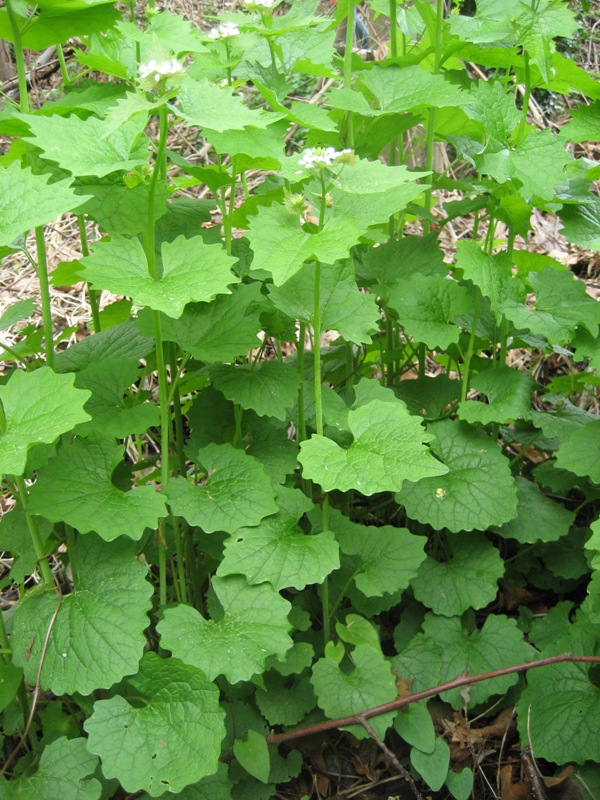
Garlic mustard can often be seen beside trails, as hikers bring the seeds in on their boots. It is a particularly dangerous invader because it spreads very quickly and makes the soil inhospitable for native plants.
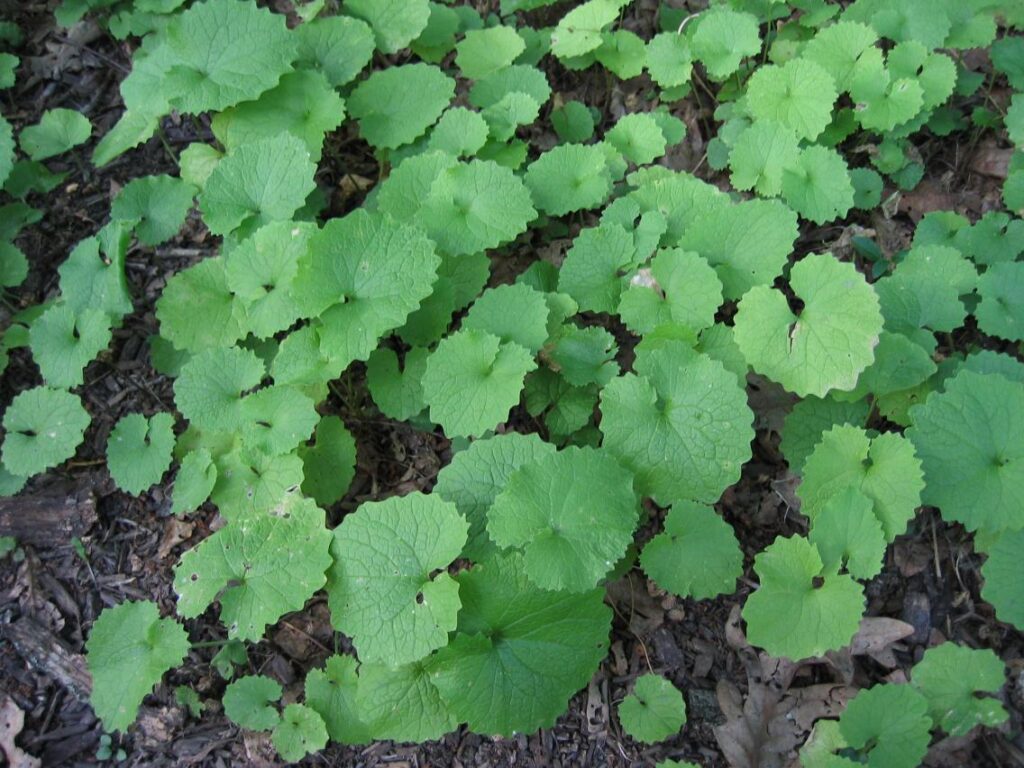
Feel free to pick it at will (but be sure you are not picking a violet instead!). Best practice is to leave the soil undisturbed by ripping the stem off at ground level.
2. Dog Strangling Vine
Submitted by Claire Ellenwood, ecological land design consultant and owner of native plant nursery Ontario Flora.
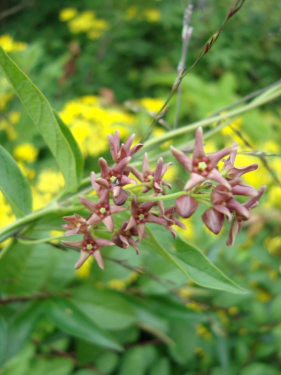
Did you know the notorious weed, dog-strangling vine (Vincetoxicum rossicum) was first grown on the Federal Government’s experimental farm for life jacket trials in the early 1900’s?
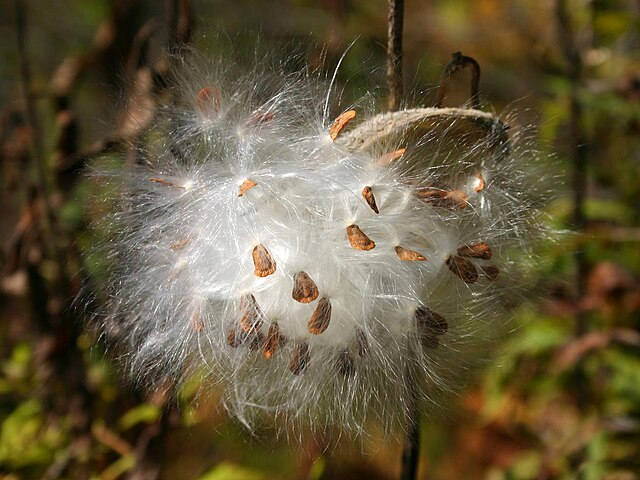
This was because its fluff, very similar to Milkweed plants, could float!
Uncommon in Ukraine and parts of Russia, it jumped the farm fence, and is now invasive in the Great Lakes region. Infestations are thick along Toronto roadsides, and making their way up to the Grey Highlands area, appearing around Owen Sound and Collingwood. It has now been spotted on the Rail Trail near Ceylon and on Sideroad 4B near Kimberley.
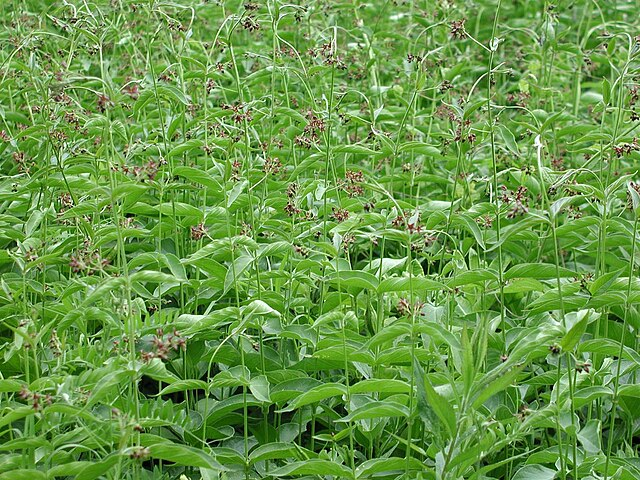
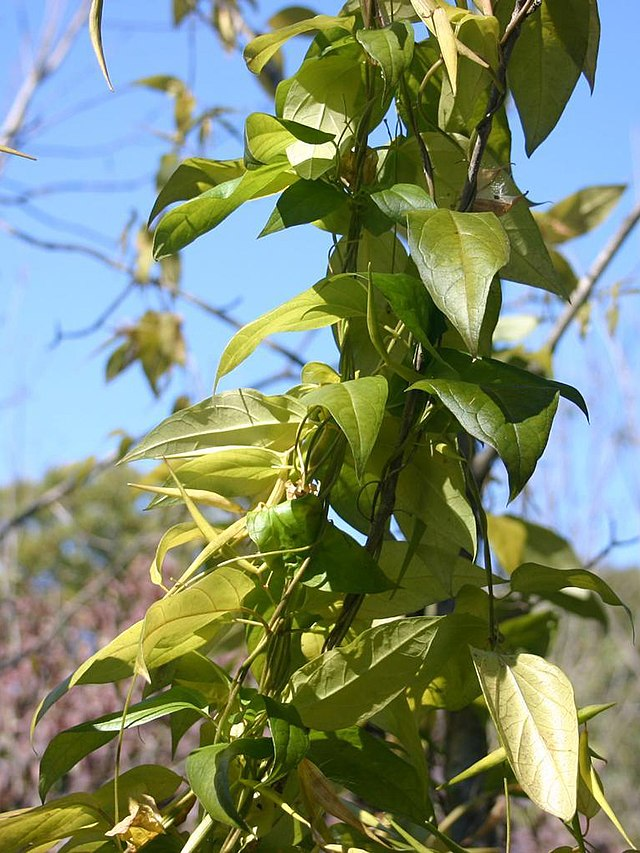
The dense mats that form from short vine-like tendrils leave almost no room for other plants and provide virtually no uses for wildlife — a significant threat to the biodiversity of Grey-Bruce.
Here are some great ways you can help:
1. Map sightings on iNaturalist – upload photos and locations.
2. Report infestations — to your municipality or Conservation Authority and submit a screenshot of the iNaturalist location.
3. Prevent seed spread – avoid moving soil or plants.
4. Don’t pull – that creates many more shoots as a result. Instead, smother larger infestations using landscape fabric for a season, or dig roots out thoroughly.
Invasive ornamental plants commonly found at plant sales:
1. Groundcovers
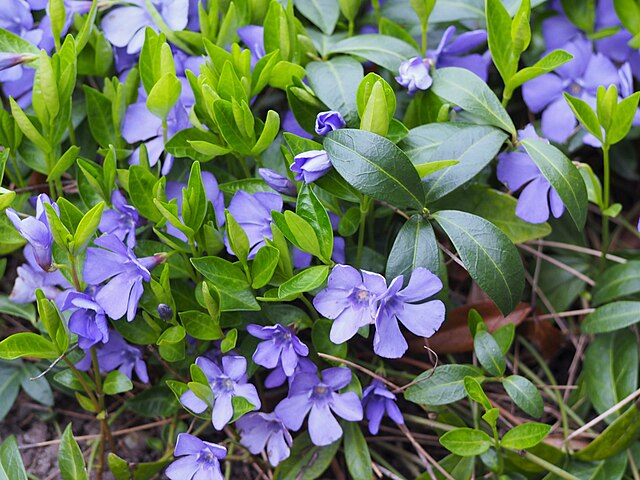
Periwinkle / Vinca (Vinca minor, Vinca major) [see photo]
Goutweed / Bishop’s weed (Aegopodium podagraria)
English ivy (Hedera helix)
Yellow archangel (Lamium galeobdolon)
Lily-of-the-valley (Convallaria majalis) – attractive but spreads aggressively in forests.
2. Vines
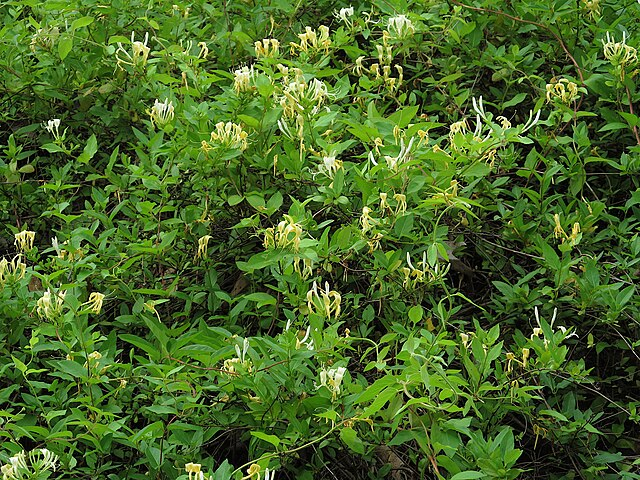
Japanese honeysuckle (Lonicera japonica) [see photo]
Oriental bittersweet (Celastrus orbiculatus)
Dog-strangling vine / swallow-wort (Vincetoxicum rossicum) – invasive in southern Ontario and threatens monarch butterflies.
English ivy (Hedera helix)
3. Shrubs
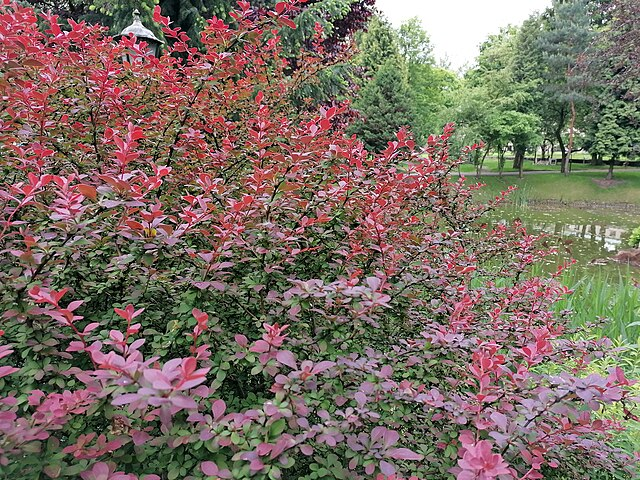
Japanese barberry (Berberis thunbergii)[see photo]
Common barberry (Berberis vulgaris)
Winged burning bush (Euonymus alatus) – widely used ornamental shrub that spreads into forests.
Russian olive (Elaeagnus angustifolia)
Autumn olive (Elaeagnus umbellata)
Multiflora rose (Rosa multiflora)
Spreading cotoneaster (Cotoneaster spp.)
4. Trees
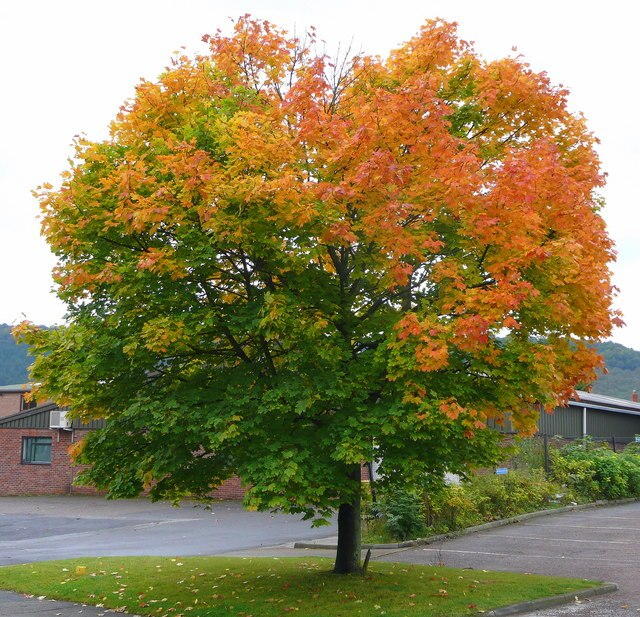
Norway maple (Acer platanoides) – extremely common street and landscape tree that crowds out native maples. [see photo]
Tree-of-heaven (Ailanthus altissima)
Black locust (Robinia pseudoacacia) (native to parts of North America but invasive in Ontario ecosystems)
5. Perennials / Flowers
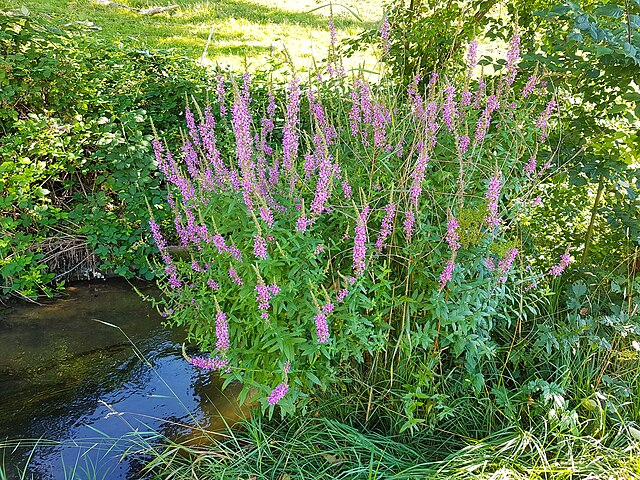
Purple loosestrife (Lythrum salicaria) – notorious wetland invader. [see photo]
Creeping bellflower (Campanula rapunculoides) – extremely difficult to remove once established.
Yellow flag iris (Iris pseudacorus)
Spotted knapweed (Centaurea stoebe)
Butter-and-eggs / toadflax (Linaria vulgaris)
Oxeye daisy (Leucanthemum vulgare)
6. Aquatic Plants Sometimes Sold for Ponds
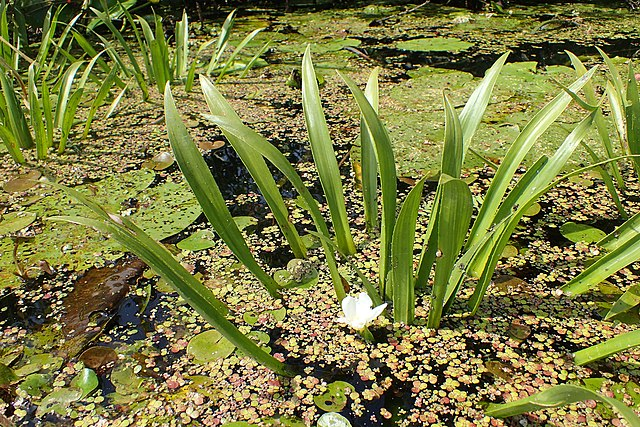
(Many are now restricted or illegal to sell in Ontario)
Water soldier (Stratiotes aloides) [see photo]
Parrot feather (Myriophyllum aquaticum)
Hydrilla (Hydrilla verticillata)
Water lettuce (Pistia stratiotes)
Related posts:
 From Beaver Valley to the Oyamel Peaks: A Journey to the Heart of the Monarch Migration
 Growing a Resilient Future Using Local Seeds
 Late Winter/Early Spring birds
 Damselflies and Dragonflies of the Beaver River
 Ramping Up for Spring
 E. C. Carr Observatory
 Kimberley Historic Walking Tour
 Eugenia Historic Walking Tour
 The Geology of the Beaver Valley
 Old Baldy Does Not Exist