

Compiled by Judy Grinton with information from Dark Sky International and the Royal Astronomical Society of Canada.
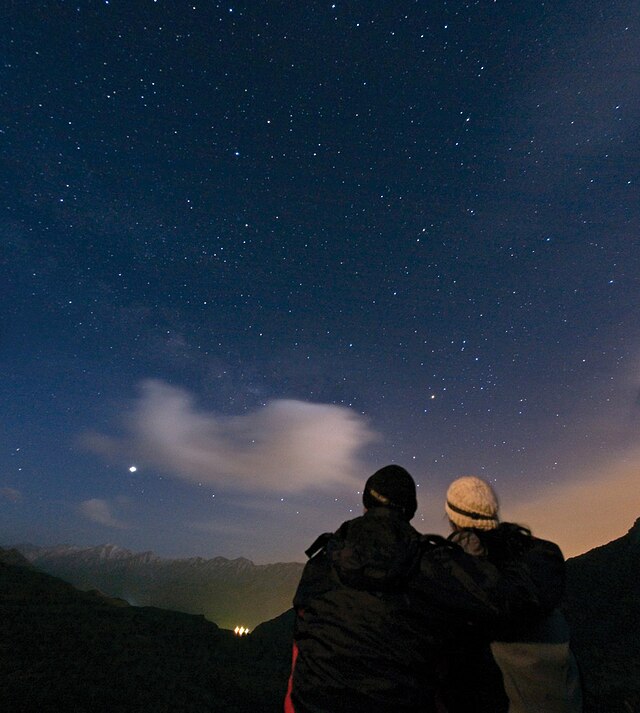
[Photo by TWAN/Babak A. Tafreshi; Creative Commons License]
.jpg)
Many of us are lucky to live and or spend time in the beautiful Beaver Valley, a UNESCO Biosphere Reserve. We are able to enjoy nature at its best including viewing the wonders of the night sky.
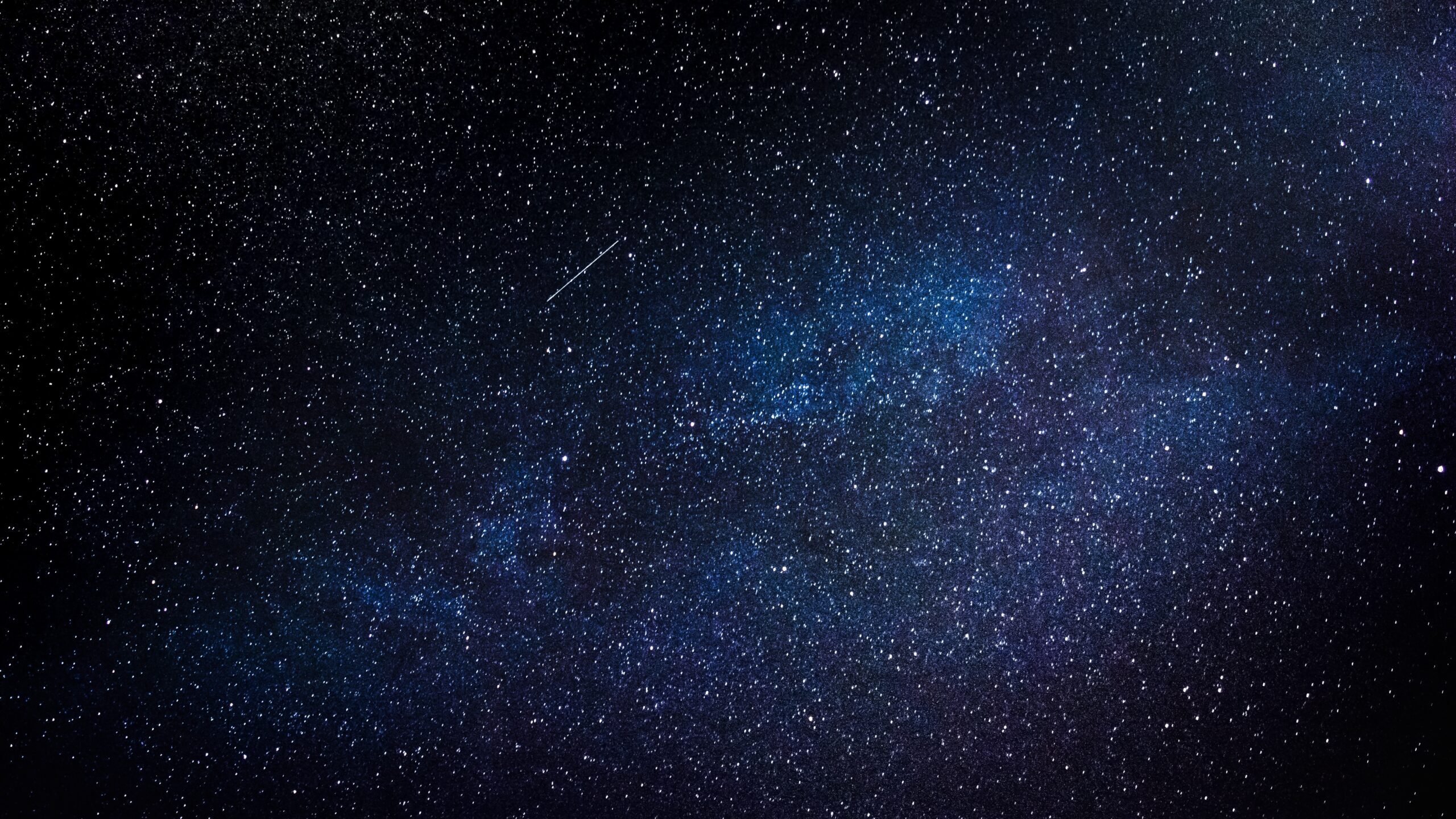
[Photo by Unsplash; no copyright]

Unfortunately, light pollution threatens not only our ability to enjoy the night sky but also our own health, and the health of the wildlife, pollinators and plants that make our watershed special.
[Photo by Mathias Krumbholz; Creative Commons License]
.jpg)
Causes of Light Pollution
Light pollution is caused by artificial, i.e. manmade light at night. It comes in the form of Glare, Light Trespass, Overlighting and Sky Glow.
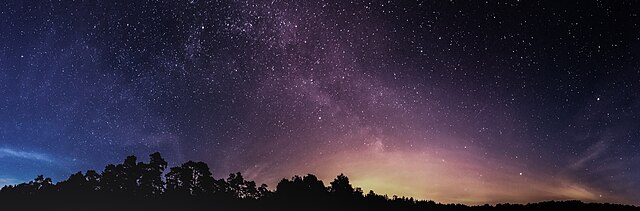
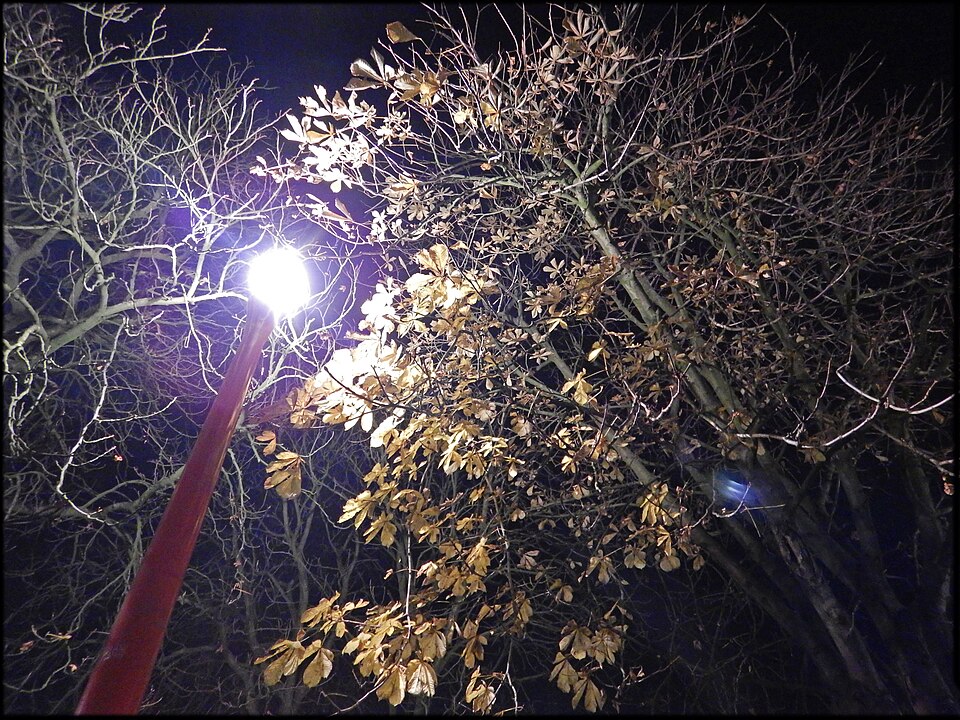
[Photo by Lamiot; Creative Commons License]

1. Glare
Glare occurs from overly bright light at night and unshielded lights which create a harsh contrast, impairing our vision, and making it harder to trip hazards or potential threats lurking in the shadows. Even momentary exposure to glare removes dark adaptation for 30 seconds and causes discomfort or night blindness – the inability to view properly into darker areas. In order to prevent glare, lighting fixtures should be shielded and directed downwards.
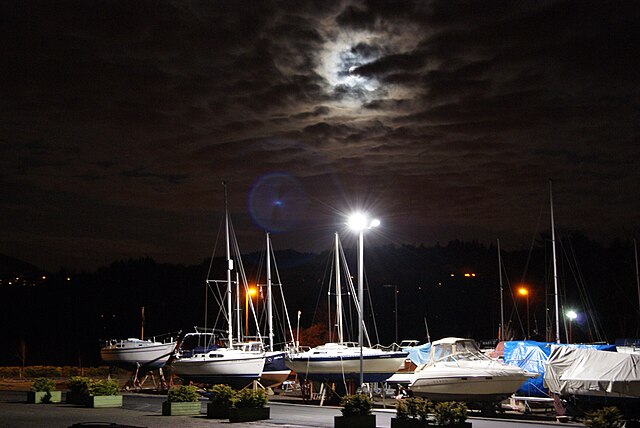
[Photo by Thomas Nugent; Creative Commons License]

2. Light Trespass
Light Trespass is the intrusion of light from a nearby source, typically through a window or onto a property. For example, lights from a nearby property or street lights shining in your bedroom window making it difficult to sleep. Light trespass can often be addressed by shielding the light source and/or by dimming or turning off the lights (use motion detectors) when the lit area is not in use.
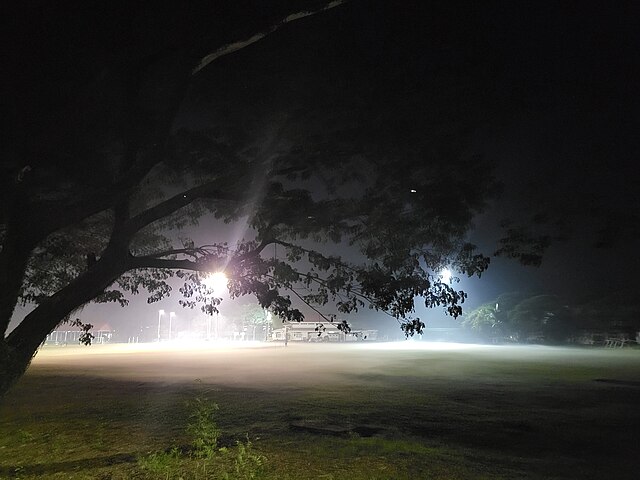
[Photo by Harpreet 712; Creative Commons License]

3. Overlighting
Overlighting is illumination in excess of what is required for a person to see properly. The excess light impacts the surrounding area and represents unnecessary lighting equipment costs and increased energy consumption.
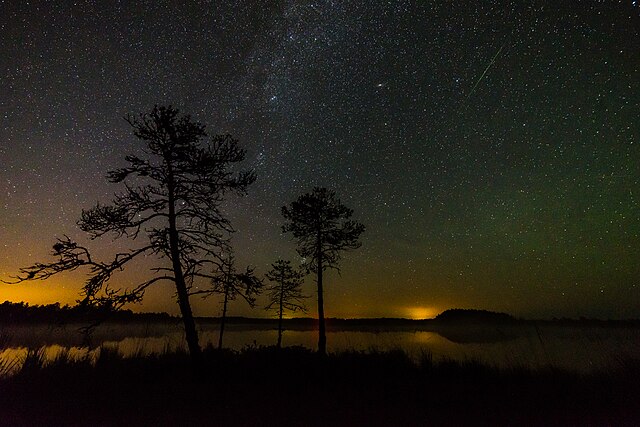
[Photo by Martin Mark; Creative Commons License]

4. Sky Glow
Sky Glow refers to a dome of light over cities or towns caused by stray light from thousands of fixtures. Sky glow represents increased energy consumption, interferes with the ability of birds and animals to navigate, inhibits the recovery of the atmosphere from air pollution, and prevents residents from seeing the wonders of the night sky. Sky glow can be reduced by using fixtures designed so the light is directed where it is needed, rather than beamed at an angle into the sky. Using warm-colored lighting also helps.
[Photo by Michael J. Bennett; Creative Commons License]

Negative Impacts of Light Pollution
When we over-light, shine light upwards, fail to use timers and sensors, or use the wrong color of light, we can negatively impact many parts of our world including:
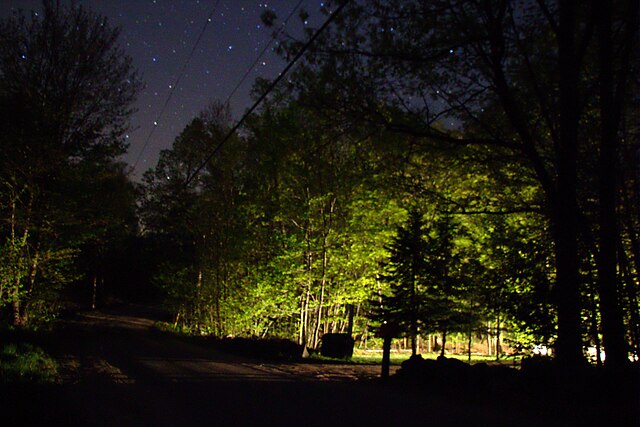
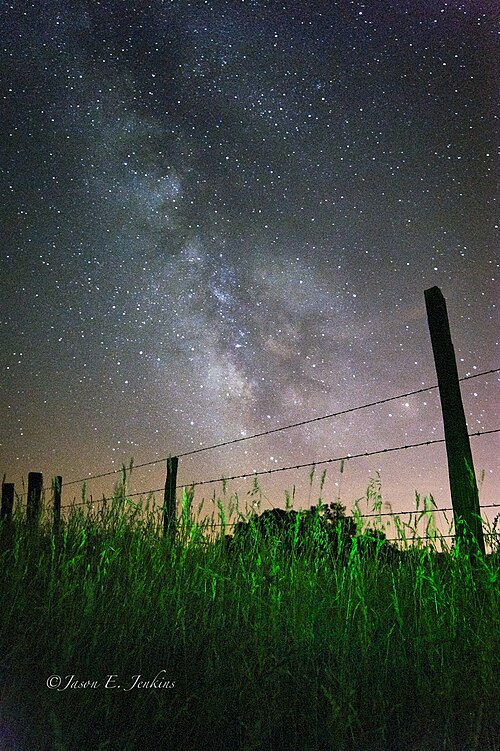
[Photo by Jason Jenkins; Creative Commons License]
.jpg)
1. Destroying critical wild life habitat
Plants and animals depend on Earth’s daily light and dark cycle to govern life-sustaining behaviors. Scientific evidence suggests light pollution has negative and deadly effects on many creatures including amphibians, migratory birds, mammals and insects. Disrupting the diurnal cycles in plants may negatively affect crop yields.
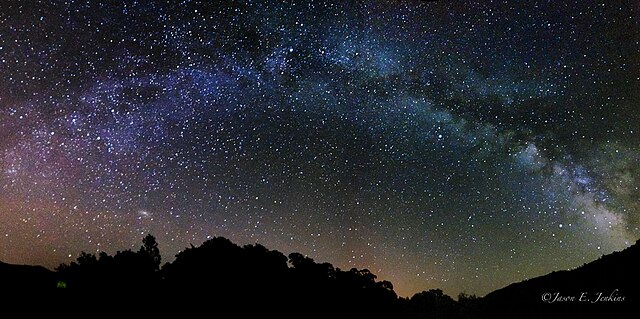
_(8732852597).jpg)
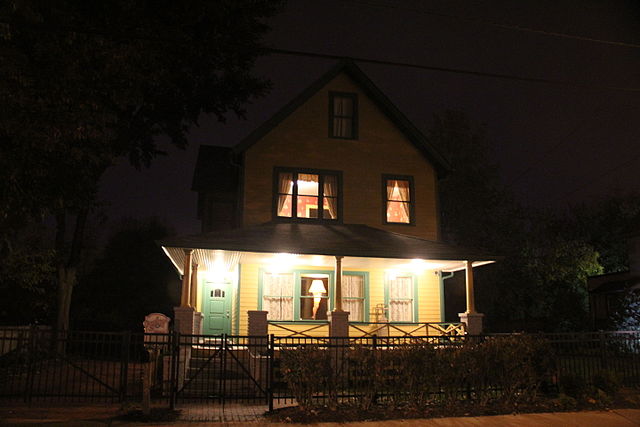
[Photo by Daniel X. O’Neil; Creative Commons License]
.jpg)
2. Harming Human Health
Studies indicate that artificial light at night negatively affects human health by increasing our risks for obesity, depression, sleep disorders, cancer and more by impacting our circadian rhythm. Exposure to light at night can suppress the body’s production of melatonin, a hormone that regulates our sleep-wake cycle, metabolism, and immune system.
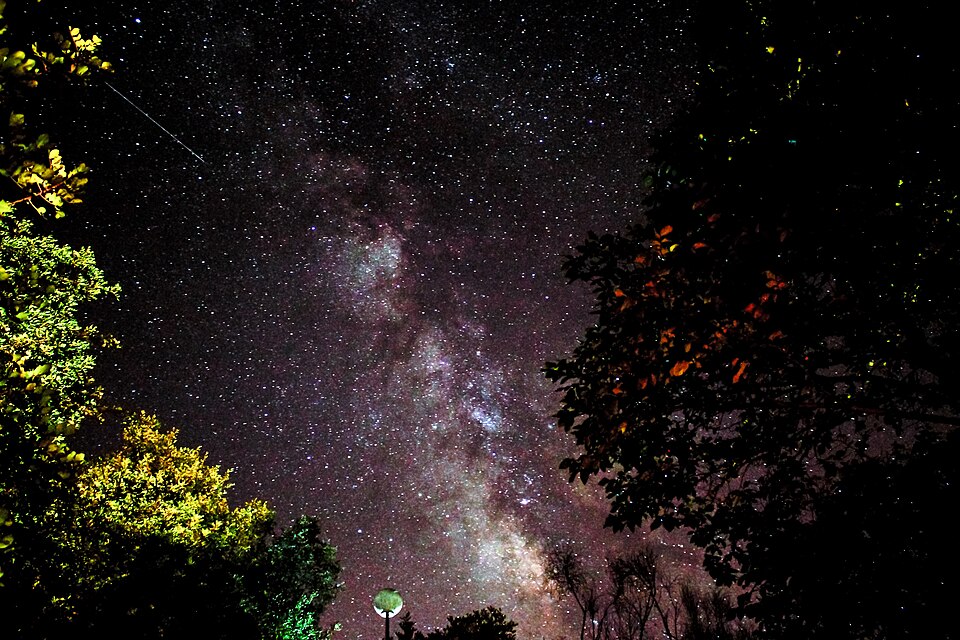
[Photo by Miguel Angel Chamorro Moreno; Public Domain]

3. Inhibiting Scientific Research
Satellites in low Earth orbit create visible trails in the night sky interfering with scientist’s ability to observe fainter objects in the night sky and jeopardizing NASA’s early warning system for asteroid collisions. Scientists in our own watershed study the skies at the E.C. Carr Observatory.
[Photo by W. Carter; Creative Commons License]

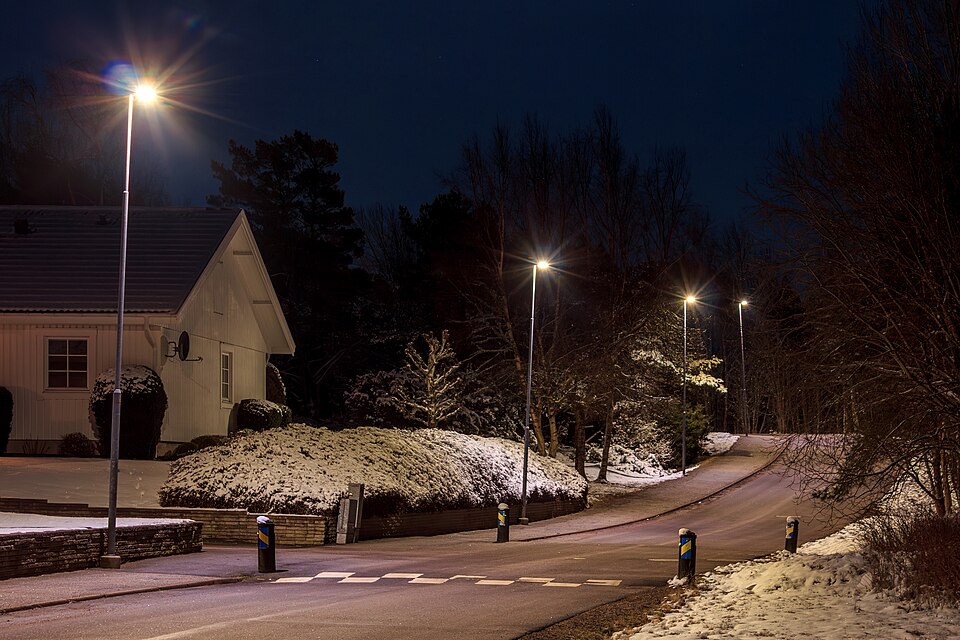
4. Wasting Energy and Money
Most outdoor lighting is wasted. This energy waste increases greenhouse gas emissions contributing to climate change and cost overruns.
[Photo by Jon Sullivan; no copyright]

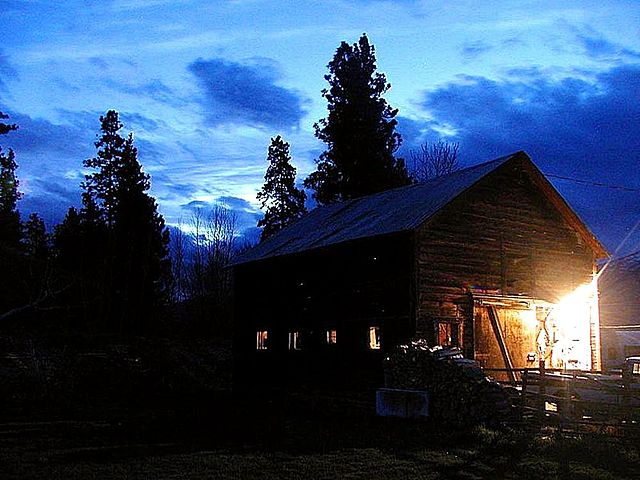
5. Decreasing Safety and Security
Poorly designed security lighting actually has the opposite effect: the glare of an unshielded lamp blinds an observer and affects dark adaptation, making it difficult to see an intruder lurking in the shadows. It is not evident that increased lighting decreases crime. Studies have shown that criminal activity and vandalism actually increase with increased lighting and most burglaries occur during daylight hours. In addition to using cameras and motion detectors to enhance security, use well placed lighting that is not overly bright.
[Photo by Ren Lieshi; Creative Commons License]

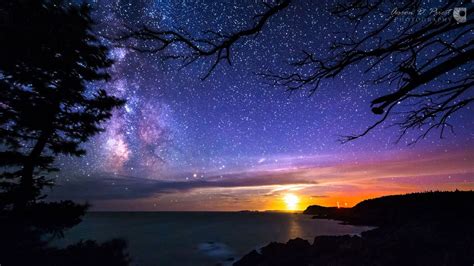
6. Robbing Us of Our Night Sky Heritage
Improper lighting prevents residents and future generations of the Beaver River watershed from seeing the wonders of the night sky such as the Milky Way and the Northern Lights.
[Photo by Michael J. Bennett; Creative Commons License]

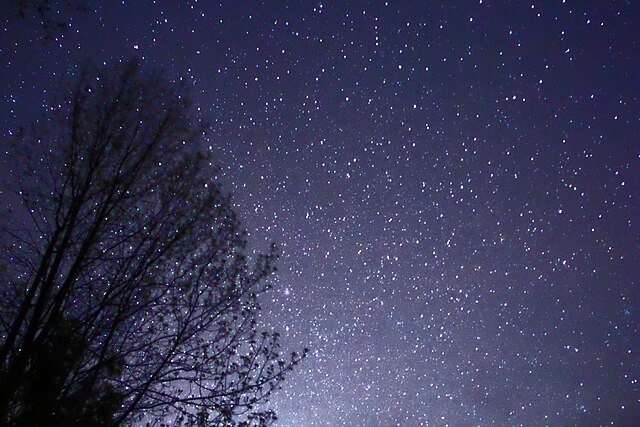
What Can We Do? Follow Dark Sky Principles
All is not lost. If we work together and follow responsible outdoor lighting principles, we can continue to enjoy the wonders of the beautiful Beaver Valley and leave them for future generations to enjoy as well.
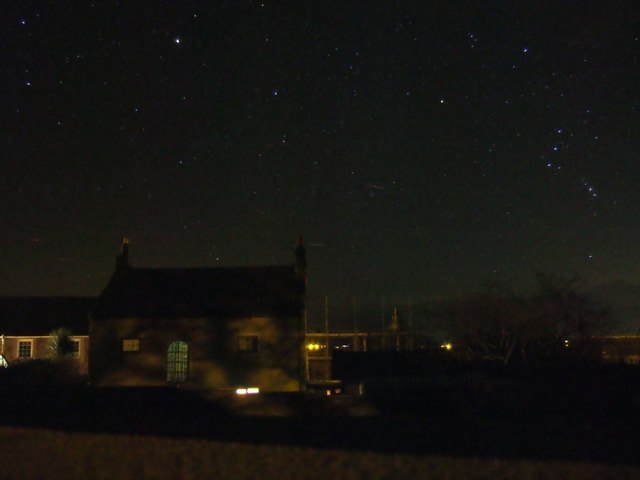
[Photo by Simon Chadwick; Creative Commons License]

1. Useful
Use light only if it is needed. All light should have a clear purpose. Consider how the use of light will impact the area, including wildlife and their habitats.
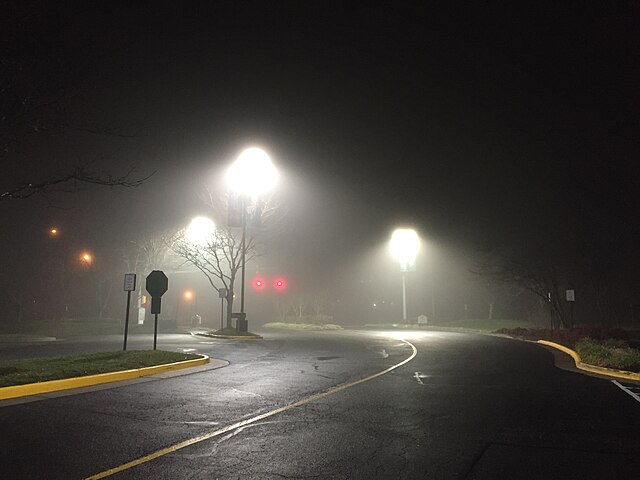
[Photo by Famartin; Creative Commons License]

2. Targeted
Direct light so it falls only where it is needed. Use sheilding and careful aiming to target the direction of the light beam so that it points downward and does not spill beyond where it is needed.
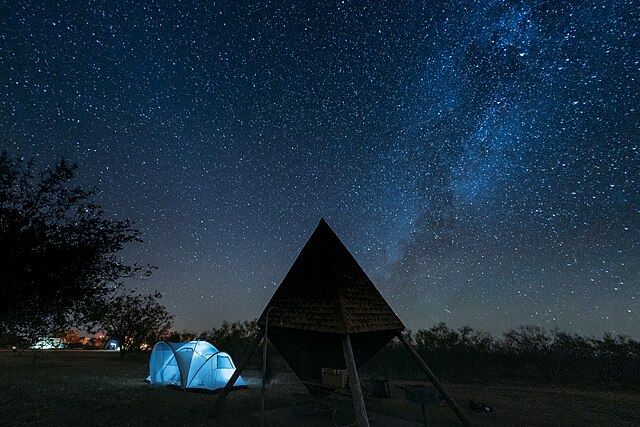
[Photo by Matthew T. Radler; Creative Commons License]
3. Low Level
Light should be no brighter than necessary. Use the lowest light level required. Be mindful of surface conditions, as some surfaces may reflect more light into the night sky than intended.
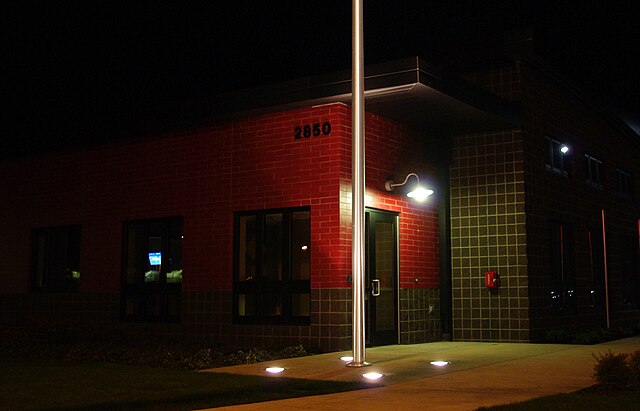
[Photo by M.O. Stevens; Creative Commons License]

4. Controlled
Use light only when it is needed. Use controls such as timers or motion detectors to ensure that light is available when it is needed, dimmed when possible, and turned off when not needed.
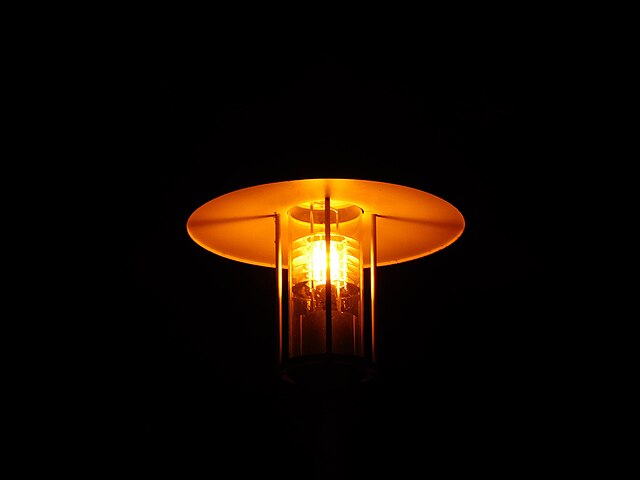
[Photo by Kaloyan Vachev; Creative Commons License]
.jpeg)
5. Warm-coloured
Use warmer colour lights where possible. Limit the amount of shorter wavelength (blue-violet) light to the least amount needed.
Related posts:
 E. C. Carr Observatory
 Growing a Resilient Future Using Local Seeds
 Late Winter/Early Spring birds
 Ramping Up for Spring
 Citizen Scientists Monitor Plant Sales and Trails for Invasive Species
 From Beaver Valley to the Oyamel Peaks: A Journey to the Heart of the Monarch Migration
 Managing Stormwater as a Watershed Resource
 The Geology of the Beaver Valley
 The Wickens Family in Kimberley, 1857 and on
 Damselflies and Dragonflies of the Beaver River